
About Key Lime Plants
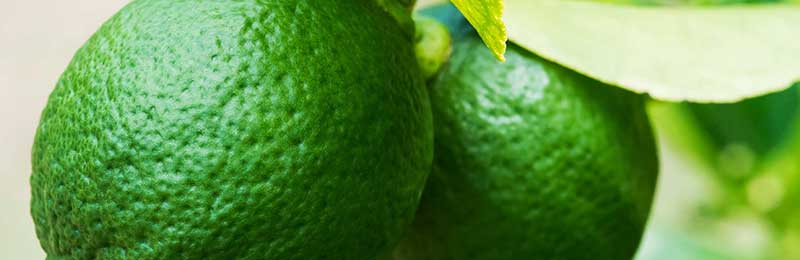
Key Lime is a compact evergreen citrus plant grown for its fragrant white blossoms and small, intensely flavorful fruit. Also known as Mexican Lime or West Indian Lime, it produces the aromatic, pleasantly tart limes traditionally used in Key lime pie, limeade, cocktails, marinades, dressings, ceviche, and desserts. Although Key limes are often harvested while green, fully ripe fruit naturally turns greenish-yellow to yellow.
The Bush has fuller branching closer to the base, giving it a dense, shrub-like appearance.
The Tree is trained with a more visible trunk and an elevated canopy, creating a traditional small-tree shape.
Both forms produce the same flowers and fruit and have the same growing requirements. Because Key lime is naturally bushy, either form may develop new lower branches as it grows. Light pruning can be used to maintain the desired shape.
What to do When Your Key Lime Arrives
Open the shipping box as soon as possible after delivery. Carefully remove the packing material without pulling the plant by its trunk or branches. Inspect the container, soil, stems, and foliage. A few bent leaves, broken twigs, yellow leaves, or dropped leaves can occur during shipping. Minor cosmetic stress is normal and does not necessarily indicate that the plant is unhealthy.
Check the soil before watering. Insert a finger approximately one to two inches into the potting mix. If the soil feels dry at that depth, water slowly and thoroughly until excess water drains from the bottom of the nursery container. If the soil is still moist, allow the plant to drain and wait before watering.
Place the plant in a bright, sheltered location for its first few days. Do not immediately expose it to intense afternoon sun, strong wind, or extreme heat. Gradually increase its exposure to direct sunlight over approximately one week. Begin with morning sun or bright filtered light, then add more direct sun each day.
Wait until the plant has recovered from shipping before fertilizing, heavily pruning, or repotting it. A newly delivered Key lime benefits most from stable conditions, appropriate moisture, and time to adjust.
When to Plant Key Lime Plants
Spring through early summer is generally the best time to plant Key Lime outdoors. Wait until the danger of frost has passed and nighttime temperatures are consistently mild.
In tropical and reliably frost-free climates, container-grown Key limes may be planted during much of the year. Avoid planting immediately before extreme heat, heavy rain, or unusually cold weather.
Gardeners in climates with regular winter freezes should keep Key Lime in a container rather than planting it permanently in the ground. The plant can remain outside during warm weather and be moved into a bright, frost-free location for winter.
Where to Plant Key Lime Plants
Choose a full sun location with excellent drainage, good air circulation, and protection from cold northern winds. Avoid low areas where water or cold air collects. Key Lime does not tolerate flooded or consistently saturated soil.
For container growing, place the plant on a sunny patio, deck, balcony, or terrace.
When threatened with freezing temperatures, position your Key Lime indoors, directly beside the brightest south- or southwest-facing window available. A full-spectrum grow light may be needed during winter, especially in northern climates or homes with limited direct sunlight.
How to Plant Key Lime Plants in the Ground
For in-ground planting, sandy loam or another loose, well-drained soil is ideal. If the native soil contains heavy clay or drains slowly, plant on a broad raised mound to keep the root system above areas that remain wet.
Do not replace all the native soil with compost, peat, or potting mix. A heavily amended planting hole may hold water around the root ball and discourage roots from expanding into the surrounding soil.
Dig a planting hole approximately twice as wide as the root ball but no deeper than the root ball itself. Carefully remove the plant from its nursery container by handling it by the container or root ball rather than lifting it by the trunk.
If the roots are circling tightly around the outside of the root ball, gently loosen the outermost roots with your fingers. Avoid aggressively breaking apart the entire root system.
Position the plant so the top of the root ball sits level with or slightly above the surrounding soil. If the plant is grafted, locate the graft union, which usually appears as a swollen or slightly angled area near the lower trunk. Keep the graft union above the finished soil level.
Backfill around the root ball with the original soil. Firm the soil gently with your hands to remove large air pockets, but do not pack it down heavily. Water slowly and thoroughly after planting, making sure the original root ball and surrounding soil are evenly moistened.
Apply a two- to three-inch layer of mulch over the root zone. Keep the mulch several inches away from the trunk to prevent excess moisture from collecting against the bark.
How to Plant Key Lime Plants in a Container
Choose a broad, stable pot for the tree form, which may become top-heavy as the canopy and fruit develop. Place the container on a sturdy rolling plant stand before filling it. Moving a mature citrus plant is much easier when wheels are part of the original plan.
Place enough fresh citrus potting mix (do not use ordinary garden soil) in the bottom of the new container to hold the plant at the correct height. Carefully slide the plant from its nursery pot, gently squeezing or tapping the sides of the container rather than pulling on the trunk. Loosen any tightly circling outer roots and position the plant at the same depth it was growing in the nursery container. Do not bury the top of the root ball, lower trunk, or graft union.
Fill around the root ball with fresh potting mix, gently working the mix into larger gaps without packing it tightly. Leave approximately one to two inches between the soil surface and the rim of the container to allow the plant to be watered thoroughly without washing soil over the edge.
Water slowly and allow the container to drain completely. Do not leave it standing in a saucer filled with water.
Watering Key Lime Plants
Check the soil before watering. Water slowly and deeply enough to moisten the entire root ball. For container plants, continue until excess water drains from the bottom of the pot.
Do not rely on a rigid watering schedule. Temperature, sunlight, wind, humidity, container material, and plant size all affect how quickly the soil dries.
Newly planted Key limes require closer monitoring while their roots become established. Check the original nursery root ball as well as the surrounding soil, since the root ball can dry out even when nearby soil remains damp.
Container-grown plants usually require more frequent watering than plants growing in the ground. During hot, sunny, or windy weather, a potted Key lime may need water every few days. During winter indoors, it will usually need water much less often.
Avoid allowing the root ball to become completely dry while the plant is flowering or carrying fruit. Severe moisture stress can cause leaves, blossoms, and young fruit to drop. At the same time, overwatered citrus can wilt because damaged roots are unable to absorb moisture properly. Always check the soil first.
Fertilizing Key Lime Plants
Wait until a newly delivered, planted, or repotted plant has recovered and begun producing healthy new growth before fertilizing. Then, use a fertilizer formulated for citrus or fruit trees. A complete citrus fertilizer should provide nitrogen along with micronutrients such as iron, magnesium, manganese, and zinc.
Feed during the active growing season, generally spring through summer. Follow the fertilizer label carefully, since liquid, granular, organic, and controlled-release products have different application rates.
Key Lime should be fertilized consistently but not heavily. Excessive nitrogen can produce soft, leafy growth at the expense of flowering and fruiting. Always apply fertilizer to moist soil. Fertilizing a severely dry or stressed plant can damage the roots.
Reduce or discontinue fertilizer during fall and winter when growth slows, especially for plants overwintered indoors.
Container-grown plants may accumulate fertilizer salts in the potting mix. Water thoroughly enough that excess water drains from the container, which helps flush those salts through the soil.
How to Care for Key Lime Plants
Key Lime prefers consistent moisture but does not tolerate constantly wet soil. For container plants, water when the upper one to two inches of potting mix feels dry.
Always check the soil first, do not assume every yellow or wilted leaf means the plant needs more water. Container-grown plants usually require more frequent watering than plants growing in the ground. During hot, sunny, or windy weather, a potted Key lime may need water every few days. During winter indoors, it will usually need water much less often.
Key Lime naturally develops a dense, somewhat irregular canopy and generally needs only light pruning. Remove dead, damaged, diseased, crossing, or badly crowded branches as needed. If the plant is grafted, remove shoots that emerge below the graft union. These rootstock suckers are thorned, may grow vigorously, and compete with the fruiting portion of the plant.
If the Tree form arrives attached to a nursery stake, inspect the ties regularly. Loosen or remove any tie that begins pressing into the trunk. Remove the stake once the plant can stand securely without support.
Fruit that feels heavy for its size and gives slightly when gently squeezed is generally ready to harvest. For a sharp, acidic flavor, harvest when the fruit is full-sized and has begun to lighten from dark green. For more juice and a slightly softer flavor, allow the rind to become yellow-green.
Moving Key Lime Indoors for Winter
Move Key Lime indoors before frost or freezing temperatures arrive. Whenever possible, make the transition gradually. Move the plant into a shaded outdoor location for several days before bringing it fully indoors. This helps it adjust to the reduction in light.
Some leaf drop after the move is normal. Avoid responding with excessive water or fertilizer. Maintain stable conditions and allow the plant time to adjust.
Moving Key Lime Outdoors in Spring
Wait until the danger of frost has passed and nighttime temperatures are consistently mild.
Begin in a shaded, sheltered location and over approximately seven to ten days, gradually increase the plant’s exposure to morning sun and then longer periods of direct sunlight. Increase watering as sunlight, wind, and temperature rise. Resume regular fertilizer applications after the plant begins producing active new growth.