
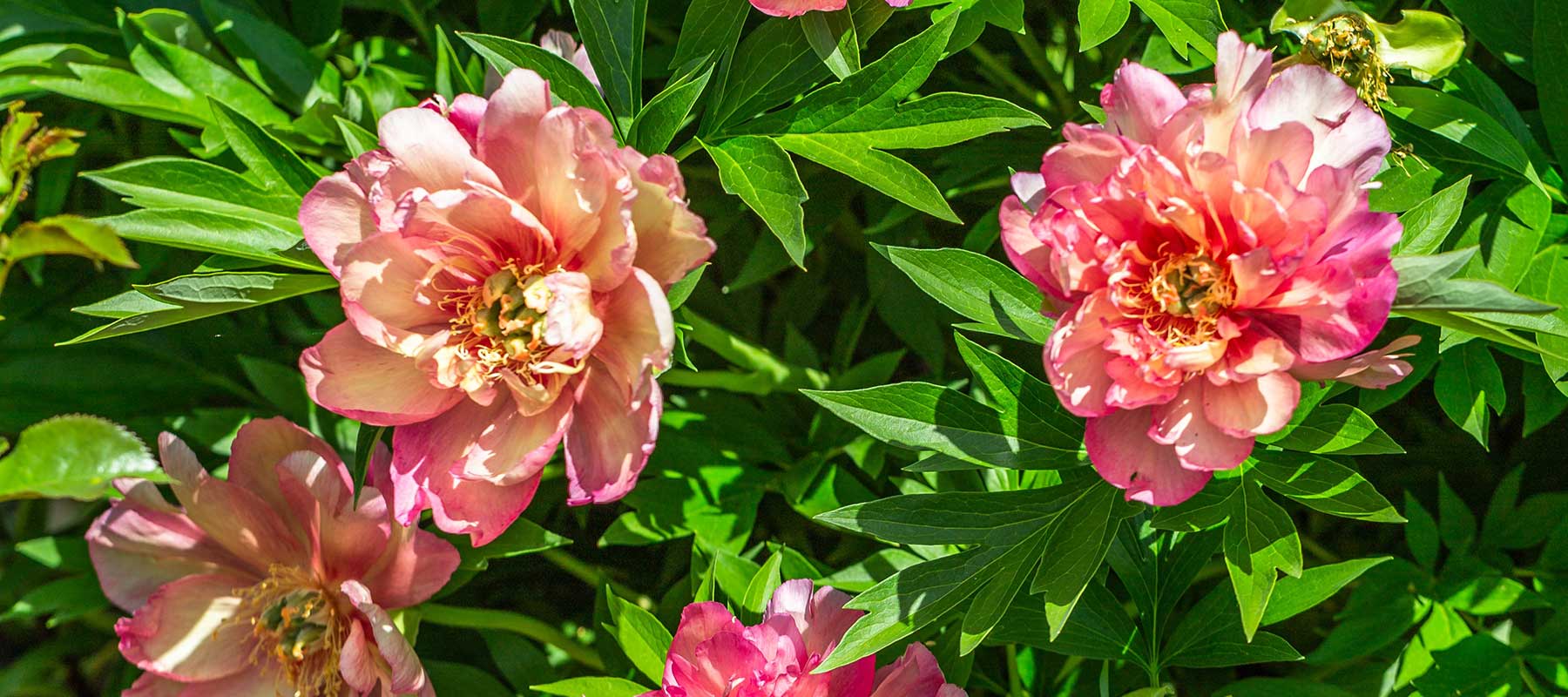
About Itoh Peonies
Combining the spectacular, oversized blooms of tree peonies with the dependable growth habit of herbaceous peonies, Itoh Peonies offer the best of both worlds. Also called intersectional peonies, these remarkable hybrids were first successfully developed in 1948 by Japanese horticulturist Toichi Itoh, whose pioneering work gave them their name. Prized for their exceptional flower colors, sturdy stems that rarely need staking, and extended blooming season, Itoh Peonies make an unforgettable addition to the garden. Once established, these long-lived perennials return year after year, producing increasingly impressive displays of magnificent flowers.
What to Expect When You Receive Your Itoh Peony Root
Your Itoh Peony will arrive as a dormant bare root, without leaves or flowers. The root consists of thick, fleshy storage roots attached to a crown, which may have short, woody stems and several visible eyes (small pink, red, or whitish buds). These eyes are where new growth will emerge in spring. The roots may look dry or irregular in shape, which is normal for dormant peonies.
Unpack your roots promptly and inspect them upon arrival. Healthy roots should feel firm rather than soft or mushy. If you cannot plant immediately, keep them in their original packing material in a cool, protected location away from direct sunlight and freezing temperatures. Make sure the packing material remains slightly moist, but never wet, to prevent the roots from drying out. Plant as soon as conditions allow.
When to Plant Itoh Peony Roots
Fall is the ideal time to plant Itoh Peony roots, allowing them to establish before winter dormancy. Plant approximately six weeks before the ground freezes, giving the roots time to settle into their new surroundings. In regions with mild winters, planting can continue into late fall or early winter as long as the soil remains workable.
Spring planting is also possible, though plants may take longer to establish and may not bloom during their first growing season. Avoid planting during periods of extreme heat, drought, or when the ground is frozen or waterlogged.
Where to Plant Itoh Peony Roots
Choose a location that receives full sun, ideally at least six hours of direct sunlight each day. In warmer climates, some afternoon shade can help protect the flowers from intense heat and extend their blooming period.
Itoh Peonies thrive in fertile, well-drained soil that is rich in organic matter. Avoid low-lying areas where water collects, as consistently soggy soil can lead to root rot. If your soil is heavy or compacted, incorporate compost to improve soil structure and consider planting in a raised bed to encourage drainage.
Allow approximately three to four feet between plants to accommodate their mature size and encourage good air circulation. Because Itoh Peonies are long-lived and prefer to remain undisturbed, choose a permanent location where they can flourish for many years.
How to Plant Itoh Peony Roots
Before planting, loosen the soil in a wide area to encourage healthy root development. Dig a hole approximately 12 to 18 inches wide and deep enough to comfortably accommodate the root system without bending or crowding the roots.
Unlike herbaceous peonies, Itoh Peonies may have a woody crown with eyes positioned at different heights. Place the root in the planting hole so the crown sits approximately two inches below the finished soil surface, following any variety-specific planting instructions. Some upper buds or emerging shoots may remain close to or slightly above the soil surface. If necessary, angle the root slightly to accommodate its natural shape.
Spread the roots gently and backfill with soil, firming it lightly to eliminate large air pockets. Water thoroughly after planting to settle the soil around the roots.
Apply a two- to three-inch layer of organic mulch around the planting area to help retain moisture and regulate soil temperature, keeping heavy mulch away from the crown. Avoid piling additional soil or mulch directly over the growing buds, as planting too deeply can interfere with flowering.
Mark the planting location so you can easily identify it while the plant is dormant.
How to Care for Itoh Peonies
Keep the soil evenly moist, but never waterlogged, during the first growing season while your Itoh Peony develops its root system. Water deeply whenever the upper few inches of soil begin to dry, allowing moisture to reach the developing roots. Once established, Itoh Peonies are relatively drought tolerant but benefit from supplemental watering during prolonged dry periods, particularly while buds are forming and flowers are developing.
In early spring, apply a light feeding of balanced, slow-release fertilizer or a layer of finished compost around the plant. Avoid excessive nitrogen, which can encourage lush foliage at the expense of flowers. Maintain a light layer of mulch to help conserve moisture and suppress weeds.
Itoh Peonies naturally develop strong, sturdy stems that support their impressive flowers without the need for staking. Remove spent blooms to keep plants looking tidy, cutting just below the faded flower while preserving as much healthy foliage as possible. The leaves continue gathering energy throughout the growing season to support the following year’s blooms.
As temperatures cool in fall, the foliage will begin to yellow and die back. Once the plant has entered dormancy, remove dead foliage and dispose of it to help prevent disease. Itoh Peonies may retain short, woody stems with viable buds near their base, so avoid damaging the crown when cutting back growth.
In colder regions, a light layer of mulch can help protect newly planted roots from repeated freezing and thawing. Pull excess mulch away from the crown in spring as new shoots emerge.
Be patient with your young plants. Itoh Peonies often spend their first year or two establishing a strong root system before producing an abundance of flowers. Blooming generally becomes more impressive as the plant matures, with established plants rewarding you with spectacular flowers each spring for decades to come.