
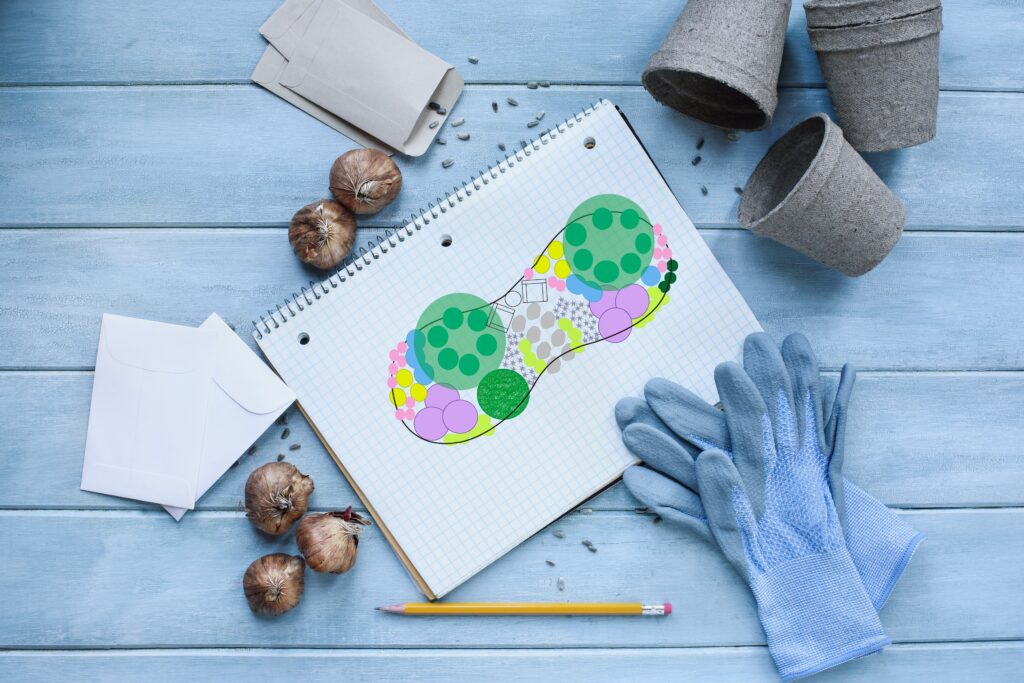
As winter settles in and the garden rests, you’re given a rare gift: time and space to imagine what next year’s landscape could become. Use this quiet season to reflect, dream, and design a garden that truly reflects what you love. Set your intention to create a space that brings you joy through color, texture, harvest, habitat, or simply the pleasure of tending it. Grab a journal and use the questions below to guide your planning.
Clarify Your Vision
Begin with imagination. Before the logistics and plant lists, let yourself dream about the garden you want to see and feel next year.
- Which areas do you want to expand, refresh, or completely re-envision?
- Identify the overall feeling you want your space to evoke next year. What mood or theme do you want to lean into: romantic, wild, structured or a combination?
- Consider how important it is for your garden to be functional. Do you want edible or medicinal plants? Plants that attract pollinators or deter pests and insects? Cut flowers for bouquets and gifts throughout the year?
- Determine the color direction you prefer. Do you most enjoy monochromatic pairings, complementary contrasts, or do you want to shift in color with the seasons?
Assess Your Site Realities
A beautiful vision thrives when matched with real-world conditions. Take a moment to observe what your space naturally offers.
- Review where plants thrived or struggled this year and note potential causes like crowding, disease pressure, or insufficient light. This will help inform next steps.
- Consider where the sun falls through the seasons. Note areas of full sun, partial shade, and deep shade. What areas are best suited for your vision?
- Evaluate soil texture, drainage patterns, slopes, and any erosion issues that could influence plant selection. Do you need to overcome any challenges?
- Note microclimates, like warm walls, exposed corners, protected nooks. These may expand or limit your planting options.
- Factor in wildlife pressure from deer, rabbits, or pets. Do you need to ensure varieties are deer-resistant or non-toxic for cats or dogs?
- What are the actual dimensions of your beds, and how many plants will they realistically hold? Are any infrastructure updates needed like irrigation, edging, soil amendments, or raised beds?
Build Your Planting Strategy
Your garden should suit your lifestyle. Clarify what matters most—beauty, ease, harvests, habitat, or all of the above.
- Decide the balance you want between annuals, perennials, and shrubs for continuous interest. Do you want optionality next year or would you prefer plants that come back bigger each year?
- Outline the height structure of your beds: backbone plants, mid-height color, and low edging. What structure would best suit your vision?
- Plan for sequencing so every season has standout moments. This might include edible harvests or cut flowers in the summer and autumn, and evergreen herbs in the winter.
- Identify where you want fragrance, shade, privacy, screening, wind protection, or winter
Create Your Wishlist
Winter is the ideal time to gather inspiration and stock up on must-have varieties before they sell out.
- Review your leftover packets and supplies so you know what needs replenishing.
- Start listing out varieties that meet the vision and functional needs of each area. You might do this on paper, in a spreadsheet, or by creating a wishlist online. Are there any must-haves that you should consider pre-ordering to ensure availability?
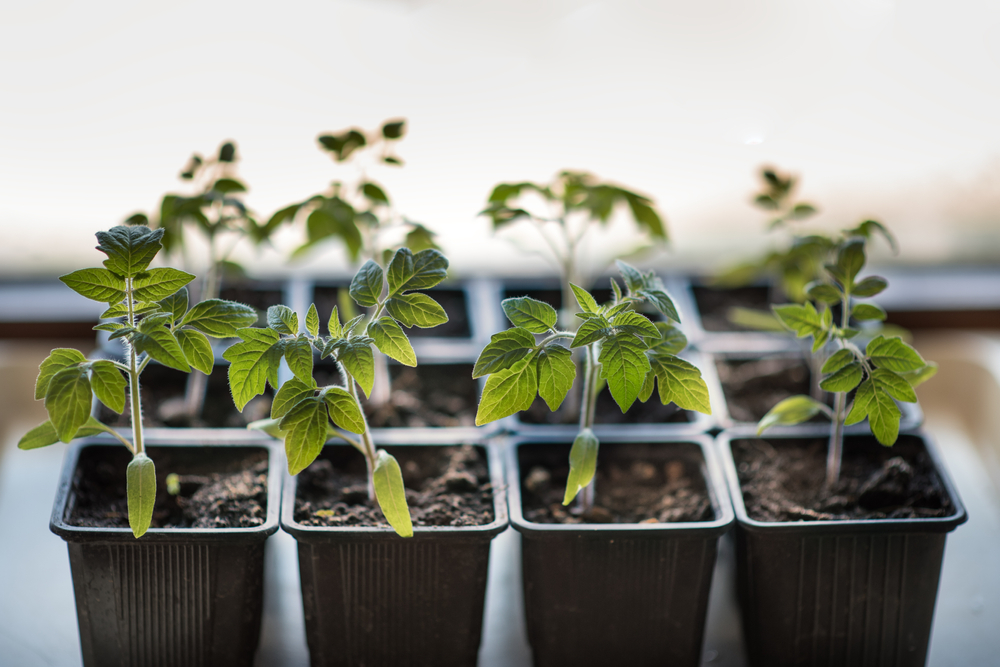
- When does each variety need to be started? Do you have all of the supplies necessary to begin indoor sprouting? Some varieties should be started indoors as early as January!
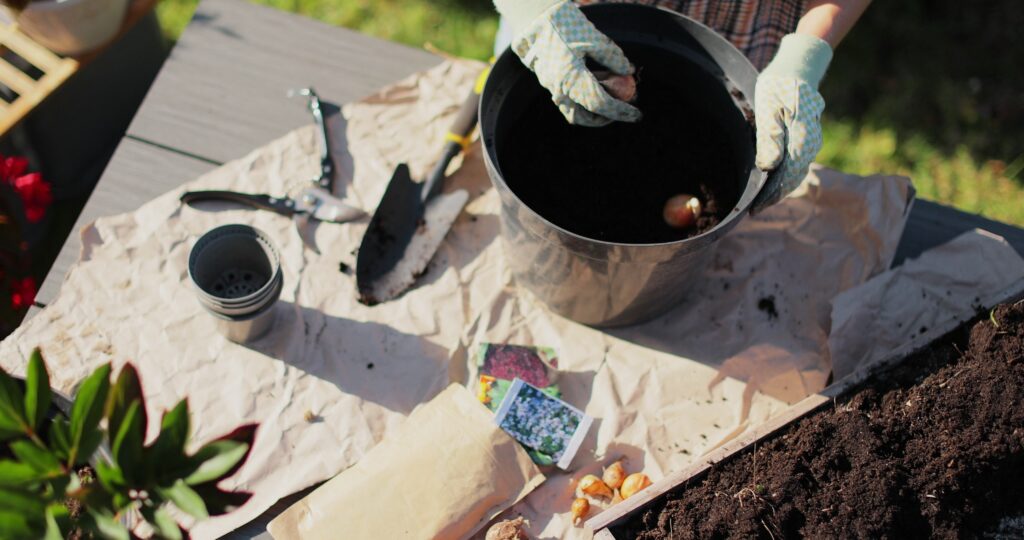
- Pre-Order spring bulbs now, as the most popular spring bulbs generally sell out before planting season.
Sketch Your Plan
You don’t need an artist’s hand, just a pencil and a simple layout. A rough sketch turns dreams into a plan.
- Create a simple map of your space marking sunlight zones, structural plants, and areas for new additions. Outline bed shapes, pathways, focal points, and container groupings.
- Now that you have the beds mapped, are there any final refinements or rearrangements that bring your design together and make it feel “just right”?
Read More Inspirational Garden Posts
-
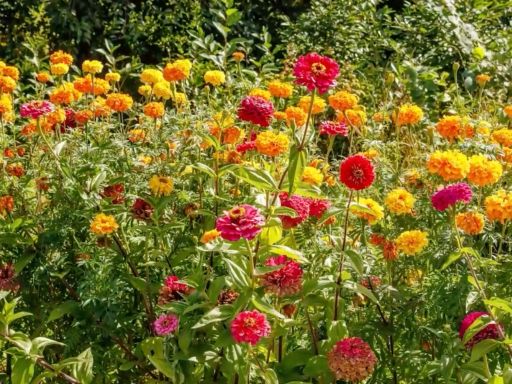
Adding Zinnias to Your Garden: Benefits & Getting Started
Whether you’re planting in beds, containers, or directly in the ground, you’ll love the numerous benefits of adding zinnias to your garden.
-
Review, Dream, Design: Your Winter Garden Checklist
Use this simple checklist to review what worked, dream up what’s next, and design a garden you’ll love stepping into come spring.
-
Discover the Magic of our Exclusive Flower Mixes
Discover how each exclusive blend is thoughtfully curated for beauty and purpose.
-
Peony – The Queen of the Garden
If you’ve been toying with the idea of adding peonies to your cut flower garden, let us give you a gentle nudge with a few irresistible reasons.