
About Asparagus
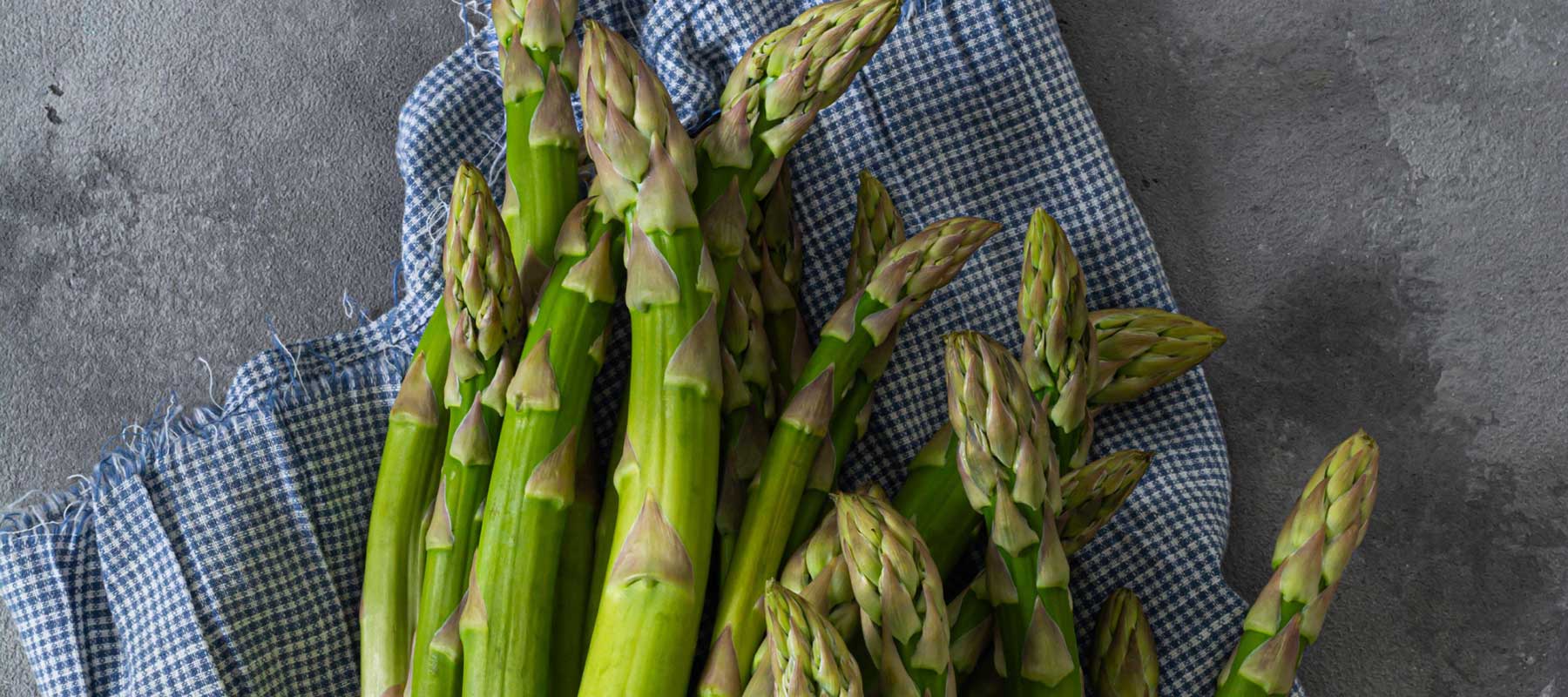
Asparagus (Asparagus officinalis) is a long-lived perennial vegetable prized for its tender spring spears. Once established, a healthy bed can remain productive for 15 to 25 years or longer.
These plants are supplied as two-year crowns, providing a head start over growing from seed. Each established crown consists of a central growing point surrounded by a developed system of fleshy roots.
What to do when your Asparagus Crowns arrive
Dormant asparagus crowns may appear dry or inactive when they arrive. This is normal. Healthy crowns begin producing new spears after planting once soil temperatures and moisture conditions are favorable.
Plant the crowns as soon as practical after arrival. If planting must be delayed briefly, keep the crowns cool and prevent the roots from drying out.
When to Plant Asparagus Crowns
Plant asparagus crowns in early spring after the soil can be worked and has warmed to approximately 50°F. Cool spring conditions allow the crowns to establish before hot summer weather arrives.
Where to Plant Asparagus Crowns
Choose the planting site carefully, as asparagus can remain productive in the same location for decades. Select a well-drained area with full sun, ideally receiving six to eight hours of direct sunlight daily, and avoid low spots where water collects.
A permanent garden bed, raised bed, or dedicated vegetable row works well. Since mature asparagus ferns can grow several feet tall, position the bed where they will not shade shorter plants.
How to Plant Asparagus Crowns
Before planting, remove grass, perennial weeds, stones, and debris, then loosen the soil deeply. Amend with finished compost or well-aged organic matter if needed. Because asparagus is a long-lived crop, test the soil before planting and correct any major nutrient or pH issues; a pH of 6.5 to 7.0 is ideal.
Dig a trench about six inches deep, spacing crowns 12 to 18 inches apart with three to five feet between rows. Place crowns with the buds facing upward and gently spread the fleshy roots outward without bunching or twisting them. Cover with about three inches of soil, but do not completely fill the entire trench to ground level, and water thoroughly.
As shoots emerge and grow, gradually add soil around them until the trench is filled and level with the surrounding ground. This allows the shoots to grow upward while establishing the crowns at the proper depth.
How to Care for Asparagus
Important first year information:
Keep the soil consistently moist while asparagus becomes established, especially during the first growing season. The edible spears emerge from the crown in spring. During active growth, provide about one inch of water per week when rainfall is insufficient; sandy soils may require more frequent watering. Avoid saturated soil, which can damage crowns and roots.
The key to establishing asparagus is allowing the crowns time to build strength. Do not harvest during the first growing season after planting. Instead, allow all spears to develop into fern-like foliage, which produces and stores energy for future harvests.
Second year and beyond:
Restrain yourself but enjoy a light harvest in the second year. Spears that are not harvested develop into tall, fern-like foliage. This fern growth is essential because it captures energy throughout summer and sends that energy back into the crown and roots. Continue watering these healthy summer ferns as they store energy for the following year’s crop.
Established asparagus may be fertilized in early spring before spear emergence or after the harvest period when fern growth begins. Apply a balanced garden fertilizer according to label directions.
Harvesting Asparagus
Do not harvest asparagus during the first growing season after planting. During the second spring, vigorous plants can typically support a light harvest for about two weeks before the remaining spears are allowed to develop into ferns.
By the third season, established plants can generally be harvested for six to eight weeks each spring. Pick spears when they are six to eight inches tall with tightly closed tips, snapping or cutting them near soil level. Check plants every day or two during warm weather, and stop harvesting when spears become noticeably thinner. Allow all remaining spears to grow into ferns to replenish the crowns for next year.