
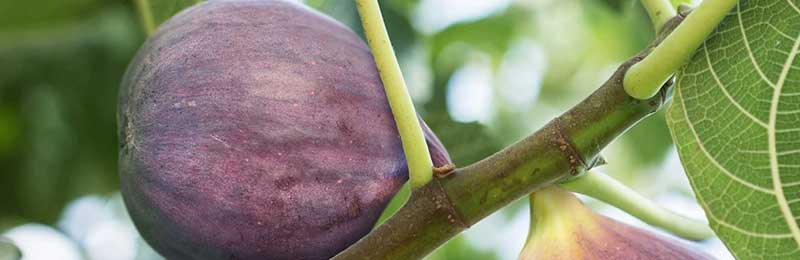
About Fig Trees
Fig trees are deciduous fruiting shrubs or small trees prized for their bold foliage and exceptionally sweet fruit. Their flowers develop hidden inside the fruit, and the main crop forms on new, current-season growth. Some figs may also produce an earlier breba crop on overwintered wood. In colder climates, winter damage may eliminate this early crop, but healthy roots can produce new growth and a later main harvest.
What to do When Your Fig Tree Arrives
Open the box promptly and carefully remove the fig tree, handling it by the container or root ball rather than the trunk or branches. Some minor leaf or stem damage during shipping is normal. Fig trees are deciduous, so plants shipped during the dormant season may arrive bare and leafless, while those shipped during active growth may be fully leafed out.
Check the soil and water thoroughly if it feels dry about one inch below the surface. Gradually acclimate actively growing plants to full sun over about one week, while dormant plants should remain outdoors in a cool, protected location. Plant as soon as practical, avoiding frozen, saturated, or extremely muddy soil.
When to Plant Fig Trees
Early spring is generally the best time to plant fig trees, especially in colder climates. Plant after the ground has thawed and severe freeze danger has passed, giving the roots a full growing season to establish before winter. Fall planting can also be successful in mild climates, while container-grown figs may be planted later in the season with careful watering. Avoid planting during hard freezes, extreme heat, drought, or when soil is saturated.
Where to Plant Fig Trees
Fig trees adapt to many soil types but perform best in fertile, well-drained soil with a pH around 5.5 to 6.5. Remove turf and perennial weeds, and incorporate a modest amount of finished compost if the soil lacks organic matter. Avoid fresh manure, concentrated fertilizer, or filling the planting hole with heavily amended soil. In poorly drained clay, plant on a broad raised mound or bed to keep roots from remaining saturated.
Choose a full sun location receiving at least six to eight hours of direct sunlight daily. In colder climates, a protected south- or southwest-facing location can provide extra warmth and shelter from winter winds. Avoid low areas where water or cold air collects, and allow adequate space for the variety.
How to Plant Fig Trees in Containers
Start with a pot several inches wider than the nursery container and gradually increase the size as the plant grows. Mature figs generally need a container at least 18 to 24 inches wide, with larger plants potentially requiring 20 to 30 gallons.
Use a loose, well-drained potting mix and a container with ample drainage holes. Place in full sun, water thoroughly when the upper soil begins to dry, and never allow the pot to sit in standing water. Feed during active growth with a balanced fertilizer according to package directions, and repot when roots become crowded or the container begins drying unusually quickly.
How to Plant Fig Trees in the Ground
Dig a hole about twice as wide as the root ball and no deeper than necessary. Carefully remove the fig from its container, loosen tightly circling roots, and position the top of the root ball level with or slightly above the surrounding soil. Backfill with the original soil, firm gently, and water thoroughly.
Apply two to three inches of organic mulch over the root zone, keeping it several inches away from the trunk. Avoid concentrated fertilizer at planting. In colder climates, figs may be planted slightly deeper to encourage a bushier form, but only where soil drains well.
How to Care for Fig Trees
Watering
Newly planted fig trees need consistent moisture while their roots establish. Check the soil regularly and water deeply when the upper soil begins to dry. Established in-ground figs are moderately drought-tolerant but produce better fruit with consistent moisture, generally around one to two inches of water per week during active growth.
Avoid both severe drought and waterlogged soil, which can cause yellowing leaves, fruit drop, or root damage. Drip irrigation or slow watering at the base is ideal. Container-grown figs dry much faster and may require daily watering during hot, windy weather.
Fertilizing
Fig trees generally require less fertilizer than many other fruit plants. Allow newly planted trees to establish before feeding. Established figs may benefit from a light application of balanced fertilizer in early spring, spread over the root zone and watered thoroughly.
Avoid excessive nitrogen, which can encourage leafy growth at the expense of fruit and increase susceptibility to winter damage. In colder climates, stop fertilizing by midsummer to allow new growth to harden before winter. Healthy, established figs growing well may not require fertilizer every year.
Overwintering Container-Grown Fig Trees
Container-grown figs need extra winter protection because their roots are more exposed to freezing temperatures. Allow the plant to enter dormancy naturally, then move it to a cool, protected, unheated location, such as a garage or shed, after the leaves drop.
During dormancy, water only enough to keep the root ball from completely drying out. Avoid warm indoor conditions that may trigger premature growth. In spring, gradually return the plant outdoors after severe frost danger has passed, acclimating any new growth to sunlight and outdoor conditions.