When to Plant Lobelia Seeds
In cold-winter climates, start lobelia seeds indoors approximately 8 to 12 weeks before the average last frost date in spring. Where winters are more mild, lobelia seeds can be directly sown in early spring when nighttime temperatures consistently stay above 50°F.
Where to Plant Lobelia Seeds
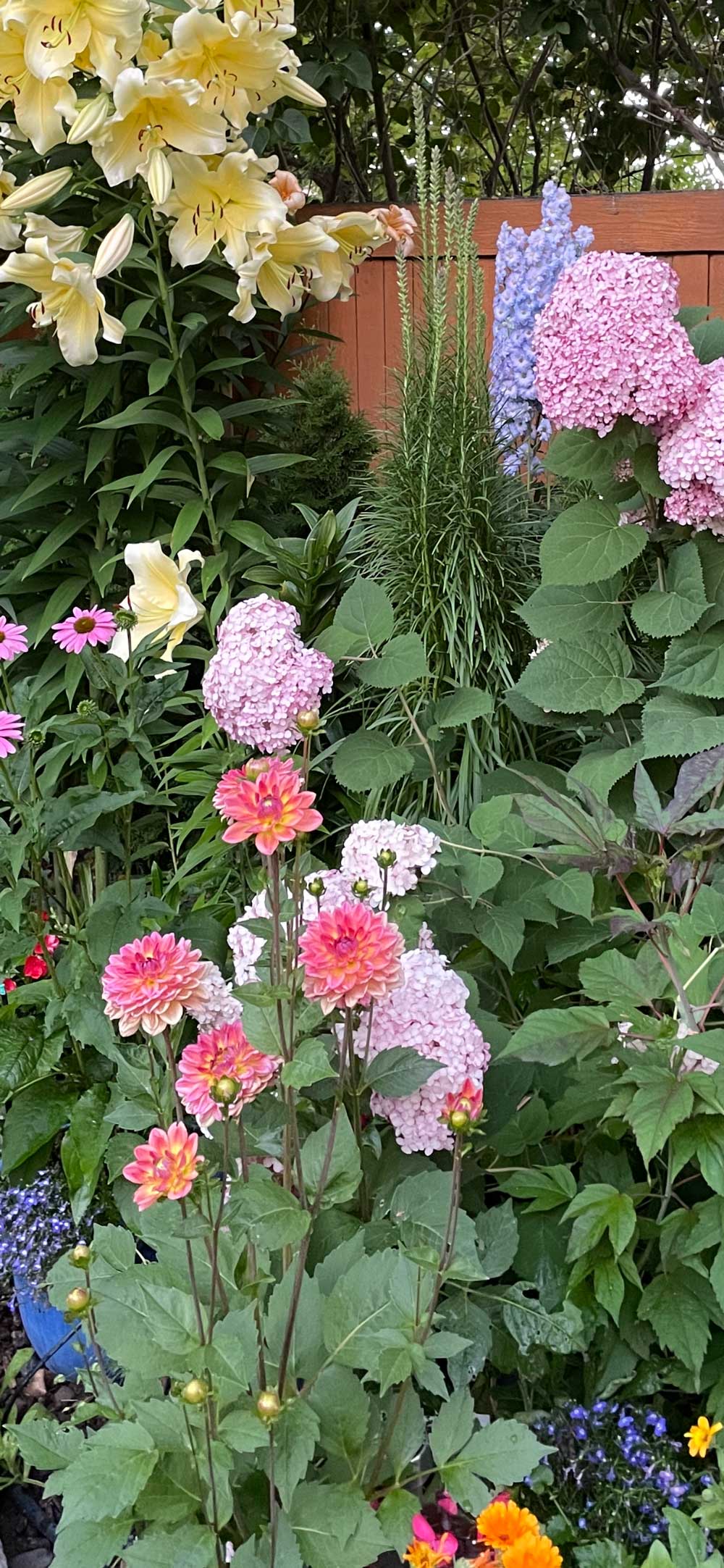
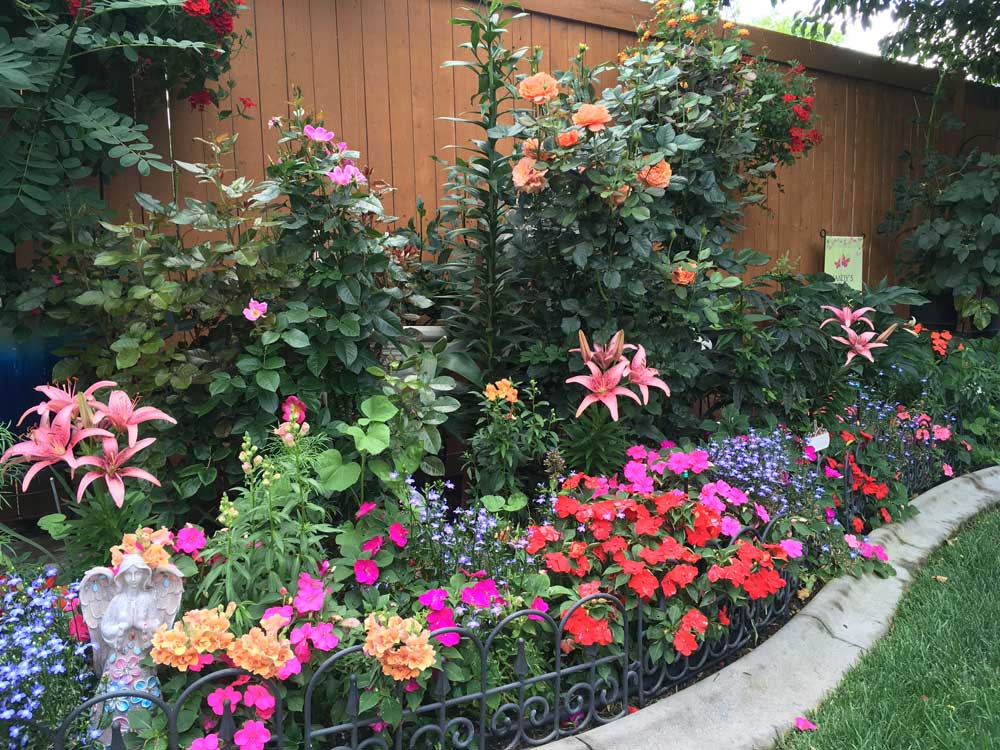
Lobelia loves a sunny location, provided the soil has plenty of moisture. Lobelia thrives best in rich, well-draining soil. Edge the front of flower borders, containers, and hanging baskets so it can easily ramble and spill over the sides. When temperatures increase, lobelia prefers to be shaded from the hot afternoon sun. In full sun conditions, your lobelia will need plenty of watering.
How to Plant Lobelia Seeds
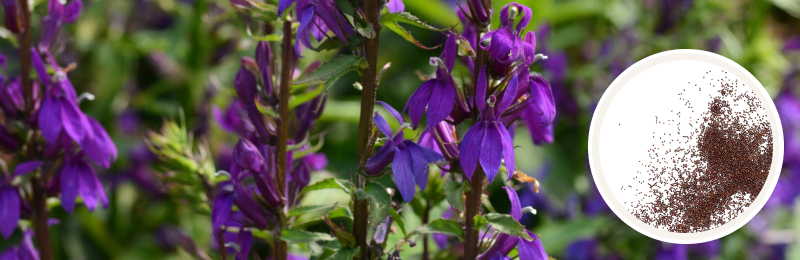
In climates that experience hard frosts, sow seeds thinly and compress onto the surface of the soil, but do not cover. Lobelia seeds require sunlight to germinate; learn more about germination light requirements here. Set your seed starting containers near a sunny window or better yet, under grow lights. Soil should remain moist and at a temperature of 65°F to 75°F. Keep soil moist but not soggy, using a mister so as to not wash away the seeds. Continue to mist the soil daily and germination should occur in approximately 14 to 21 days. Once all threat of frost has passed, Lobelia can be transplanted outdoors. Seedlings should be hardened off before transplanting; read more about that process here. Ideal spacing for this variety is four to six inches.
In warmer climates, lobelia seeds can be directly sown into the garden once nighttime temperatures are regularly over 50°F. Keep in mind that lobelia seeds are small and germination rates improve when seeds are sown in starter containers, where closer attention can be kept. Surface sow seeds and compress into soil providing good seed-to-soil contact. Keep the soil moist but not waterlogged. Transplant into your garden once established.
How to Care for Lobelia
Once established, lobelia plants require little by way of care, though older plants can experience dieback from high heat. If plants are starting to fail, then cut them down by as much as a third, and ensure they receive afternoon shade. With regular watering and feeding, your lobelia should make a comeback.