About Medium Red Clover
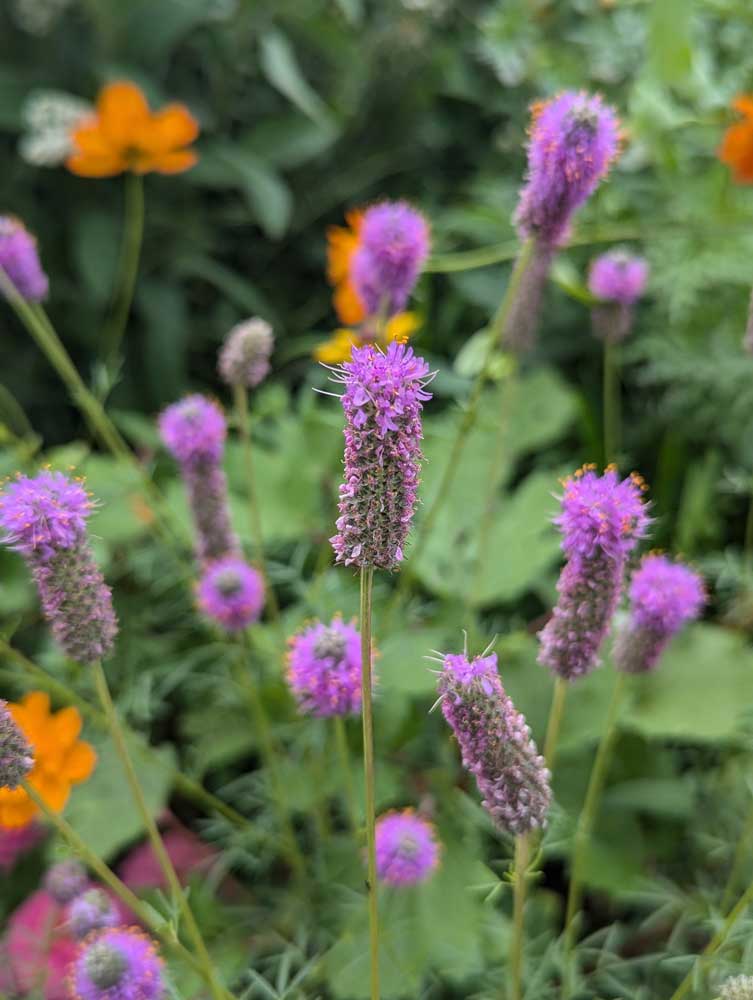
Medium Red Clover is a widely used cool-season legume cover crop valued for nitrogen fixation, soil building, erosion control, and pollinator support. It’s typically grown as a short-lived perennial or biennial, making it a strong option when you want a cover that can persist beyond one season. Medium red clover establishes reliably, produces dense foliage that helps suppress weeds, and blooms with pink-to-magenta flowers that attract bees and beneficial insects. It’s commonly used in gardens, market farms, orchards, and field rotations to improve soil structure and fertility.
When to Plant Medium Red Clover Seeds
Spring Sowing (Best Overall)
Early spring is the ideal time to plant medium red clover. Sow as soon as the soil can be worked. Cool temperatures and spring moisture help seedlings establish quickly, creating season-long ground cover while contributing valuable nitrogen to the soil.
Late Summer / Fall Sowing (For Overwintering Stands)
For an overwintered stand, plant six to eight weeks before your first expected hard frost. This allows the clover to develop a strong root system before winter dormancy. In many regions, fall-sown clover survives the winter and resumes vigorous growth in early spring.
Frost Seeding (Region-Dependent Option)
In areas with consistent freeze–thaw cycles, medium red clover can be broadcast in late winter over bare or lightly covered soil. The natural heaving action of freezing and thawing helps work the seed into the soil. Success depends on site preparation and weather conditions.
Where to Plant Medium Red Clover Seeds
Medium red clover performs best in full sun, where it produces the most vigorous growth and abundant blooms, though it can tolerate partial sun. It prefers well-drained to moderately moist soils and does not thrive in areas that remain waterlogged.
A soil pH between 6.0 and 7.0 is ideal. While it can tolerate slightly more acidic soils, growth and nitrogen fixation improve as the pH approaches neutral.
This versatile plant fits beautifully into garden beds, pathways, orchard or vineyard rows, fallow plots, and crop rotations. Plant medium red clover anywhere you want longer-term soil improvement and living ground cover.
How to Plant Medium Red Clover Seeds
Seed Preparation
For optimal nitrogen fixation, inoculate seeds with the appropriate Rhizobium bacteria specific to clover (Trifolium species), especially if clover has not been grown in that soil recently. Proper inoculation ensures strong nodulation and better soil-building benefits.
Sow seeds very shallowly, about ⅛ to ¼ inch deep. Clover seed is small, and planting too deeply can reduce germination. With adequate moisture and moderate temperatures, seeds typically germinate within five to ten days.
Keep the soil evenly moist during establishment until seedlings are actively growing. Good seed-to-soil contact is more important than depth. For garden-scale planting, broadcast seed evenly, lightly rake it in, and gently firm the surface with the back of a shovel, by walking over it, or in larger areas, with a roller.
Seeding Rates:
Broadcast: 10 to 15 pounds per acre
Drilled/rows: 8 to 12 pounds per acre
For smaller areas, use approximately:
½ ounce per 100 sq ft
four to six ounces (about ¼ to ⅜ pound) per 1,000 sq ft.
How to Care for Medium Red Clover
Water regularly during establishment. Once established, medium red clover is moderately drought-tolerant, though consistent moisture improves biomass production and stand density.
Avoid applying heavy nitrogen fertilizers, as excess nitrogen reduces the plant’s natural nodulation process. If soils are low in fertility, phosphorus and potassium can support stronger root development.
A dense stand naturally suppresses weeds. If growth is thin early on, reducing weed competition can help young plants establish more effectively.
Mowing & Stand Management
Periodic mowing can encourage branching and maintain a neat appearance, especially in pathways or orchard rows. Avoid cutting too low; leaving sufficient leaf area ensures healthy regrowth.
Medium red clover is typically productive for one to two years, sometimes longer under ideal conditions. Heat, drought, poor drainage, and heavy weed pressure can shorten its lifespan.
Termination & Soil-Building Tips
For maximum nitrogen contribution, terminate clover at pre-bloom to early bloom. At this stage, the residue breaks down readily and releases nutrients efficiently. To prevent reseeding, mow or terminate before seed set.
Termination methods include mowing, weed-whacking, or mechanical incorporation, depending on your system. In no-till settings, mowing and allowing residue to decompose naturally works well.
After mowing or incorporating, wait about two to three weeks before planting small-seeded crops (less time is often needed for transplants).