
About Pentas
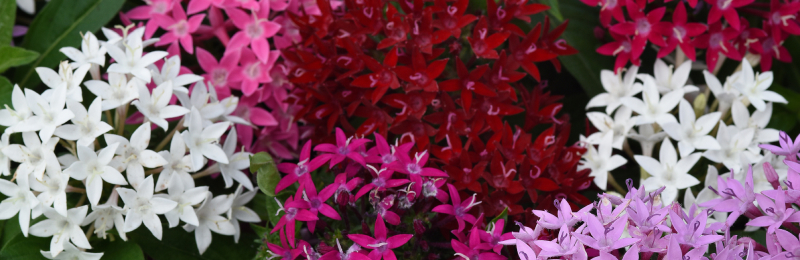
Pentas (Pentas lanceolata), often called Egyptian Star Flower, are warm-season flowering plants known for their dense clusters of small, star-shaped blooms. These plants are especially valued for their ability to thrive in heat and humidity while continuously producing color throughout the summer.
The Lucky Star® series is a compact, early-flowering series bred for uniform growth and reliable performance. Plants produce red, pink, lavender, and white flowers on tidy, mounded plants that work well in both containers and landscape plantings. Pentas are also highly attractive to butterflies, bees, and hummingbirds, making them a strong choice for pollinator-friendly gardens.
When to Plant Pentas Seeds
For best results, start seeds indoors 8 to 10 weeks before your last expected frost date. Pentas seedlings should be planted outside after all danger of frost has passed and temperatures have warmed. These plants require warm soil and do not tolerate cold conditions.
In warmer climates, seeds can be started outdoors once soil temperatures consistently reach at least 65°F, but indoor starting is generally more reliable.
Where to Plant Pentas Seeds
Choose a location with full sun and moderately fertile, well-draining soil for best flowering. Pentas perform best with at least six to eight hours of direct sunlight each day. In hotter regions, light afternoon shade is acceptable, but too much shade can reduce flowering. Avoid low areas where water collects after rain.
These plants are well suited for garden beds, borders, containers, and hanging baskets. Their compact habit makes them especially useful for edging and small-space plantings.
How to Plant Pentas Seeds
Pentas seeds require light to germinate and should not be buried. Sow seeds on the surface of a moist seed-starting mix and press them lightly into the soil without covering.
Maintain soil temperatures between 70°F and 75°F for best germination and keep the soil consistently moist. Seeds typically germinate within 7 to 14 days under warm, consistent conditions.
Once seedlings are large enough to handle, transplant them into larger containers or directly into the garden after hardening off. Learn about hardening off here. In the garden, space plants about 8 to 10 inches apart to allow for proper air circulation and mature growth.
How to Care for Pentas
Pentas are low-maintenance once established. Provide warm temperatures, good airflow, and consistent watering, allowing the top soil to dry slightly between waterings. Avoid overwatering, which can lead to root rot and reduced plant vigor. While moderately drought tolerant, pentas perform best with regular moisture.
Pentas benefit from light, consistent feeding throughout the growing season. A balanced fertilizer (avoid excessive nitrogen) applied once a month will support healthy growth and continuous blooming.
Deadheading is not required but can help keep plants looking tidy and may encourage additional flowering. Light trimming can also promote fuller, more compact growth if needed.
With proper care, pentas will bloom continuously from late spring through fall.