About Tree Peonies
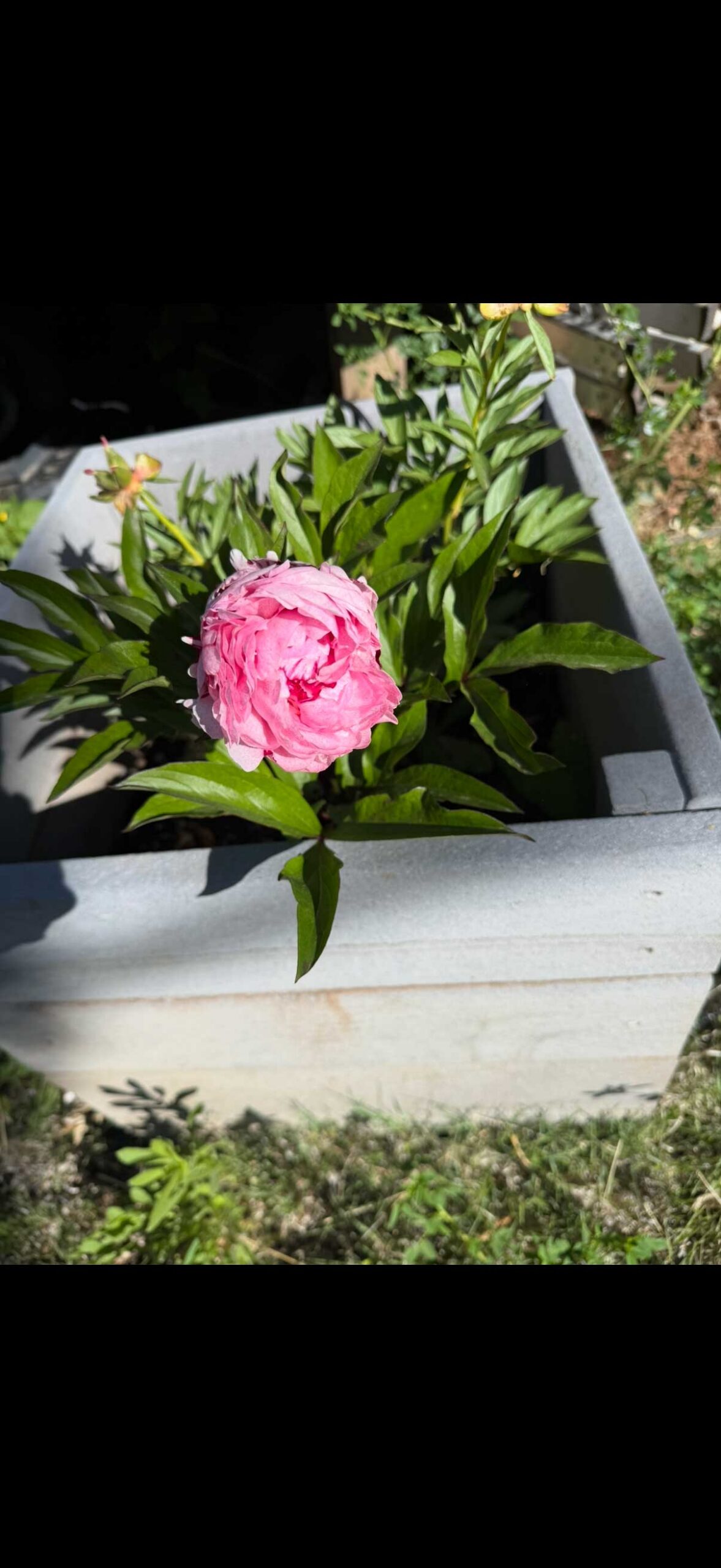
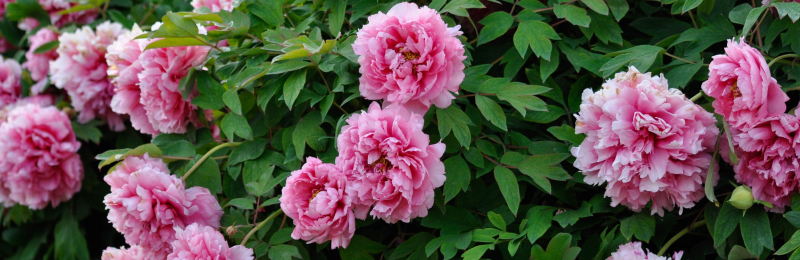
Tree peonies are elegant, long-lived woody shrubs prized for their enormous, ruffled blooms and graceful structure. Unlike herbaceous peonies, which die back to the ground each winter, tree peonies keep their woody stems year after year. These beautiful spring-flowering plants are known for their large, often fragrant blooms in shades of white, blush, pink, rose, red, burgundy, lavender, and yellow.
Most tree peonies sold today are grafted plants, meaning the flowering variety is attached to a hardy peony rootstock. This is completely normal and often beneficial, especially in colder climates. Once established, tree peonies become stunning garden focal points and can thrive for many years with very little maintenance.
When to Plant Tree Peony Roots
Fall is the best time to plant tree peonies. Planting in fall allows roots to begin establishing in cool soil before winter and gives the plant a stronger start the following spring.
Where to Plant Tree Peony Roots
Tree peonies grow best in a location with excellent drainage and good air circulation. Soggy soil is one of the main causes of failure, so avoid low areas or places that stay soggy during winter or after heavy rain. Avoid planting in areas where snow may slide off roofs or accumulate from shoveling or plowing.
Ideally, choose a site that receives morning sun and afternoon shade, or dappled sun throughout the day. Morning sun is especially beneficial. This will give your tree peony ample sunlight while prolonging the life of the flowers. In cooler climates full sun can be tolerated, but in warmer regions afternoon shade will be needed to help the flowers last longer and protect the plant from excessive heat stress. If your location is in full sun, carefully monitor the moisture level in the soil so that your tree peony does not dry out. Varieties with more petals tend to tolerate stronger sunlight better than those with fewer petals.
Tree peonies also prefer a permanent location where they can remain undisturbed for many years. Remember that your tree peony plant is slow growing and will take time, up to 10 years, to fill in their space. But plan accordingly, as they do not like to be moved and they should not be crowded by nearby shrubs or trees that compete for moisture and nutrients. Plant tree peonies five feet apart on center and two and a half feet from the garden’s edge or border.
Soil Preparation for Tree Peonies
Tree peonies prefer fertile, loose, well-drained soil rich in organic matter. They perform especially well in soils that are neutral to slightly alkaline with a pH of 6.5 to 7. Heavy clay soil can work if drainage is improved with compost and greensand, while very sandy soil will also need organic matter, compost, added to help retain nutrients and moisture. Ideally, your soil should be soft, rich, and loose. Good soil preparation makes a real difference, especially since tree peonies are such long-term garden plants.
How to Plant Tree Peony Roots
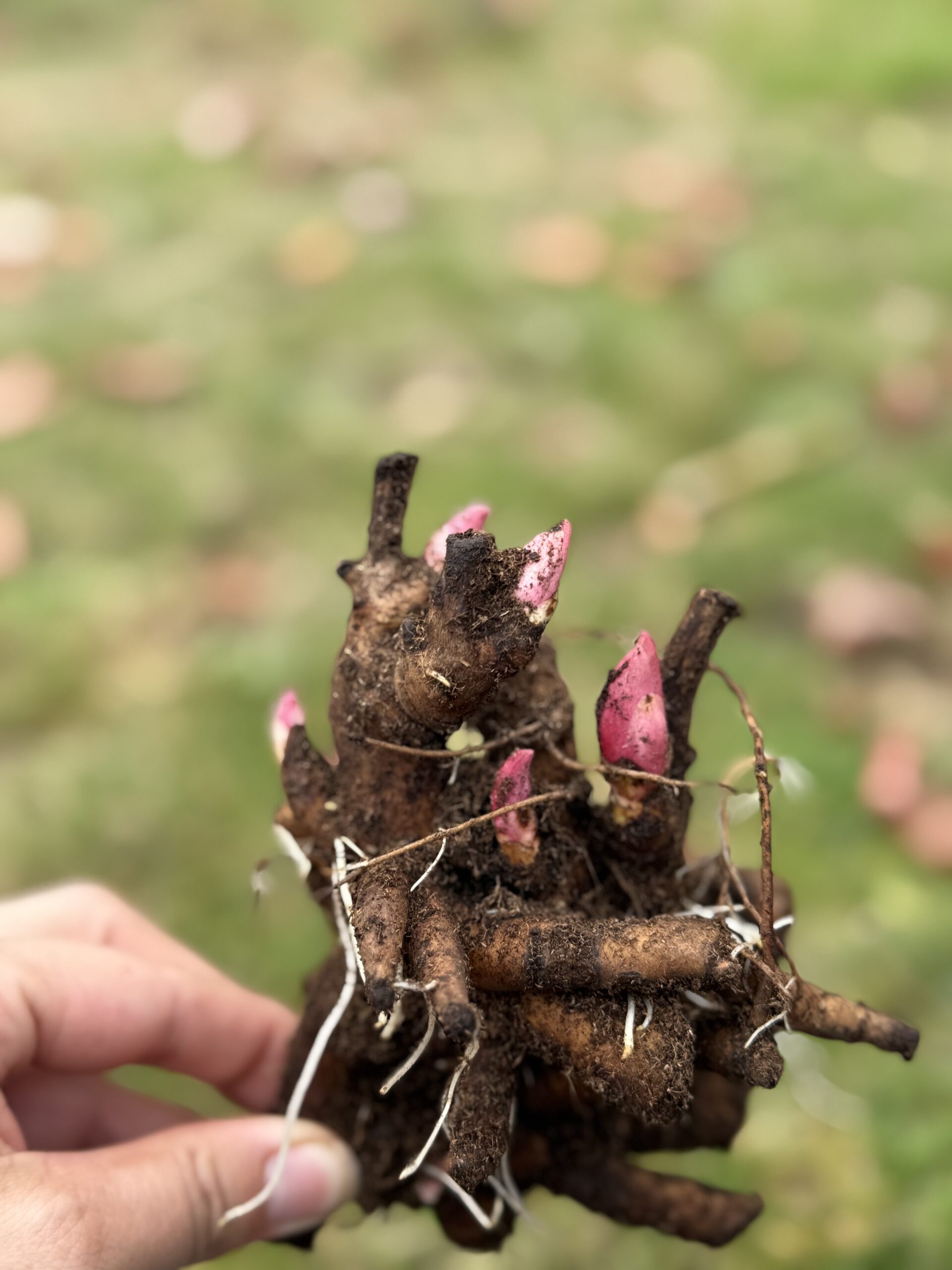
Tree peonies are planted differently than herbaceous peonies, and planting depth is extremely important. All tree peony roots from Eden Brothers will arrive with a twist tie attached. Plant the root deeply so that this twist tie sits level with the top of the soil. Once planted, remove the tie.
Dig a wide, deep planting hole large enough to comfortably spread the roots without bending or crowding them, approximately two feet deep and one foot wide. Backfill half of the hole with amended soil. Place the plant so the graft union and several inches of stem sit six inches below the soil surface and the twist tie is flush at the soil’s level. (If the twist tie has moved or fallen off the stem in transit, be sure to plant the roots low enough so that the soil level is six inches above the graft union where the stems meet the roots. In other words, the lower six inches of the stems need to be planted under the soil.) This is extremely important. This deeper planting encourages the tree peony to form its own roots and discourages any growth from the root stock. Over time this helps produce a stronger, fuller plant.
Backfill the hole with soil, firm it gently, and ensure that the soil’s surface is level with the twist tie. Water thoroughly to settle the roots and remove air pockets. If needed, add a light layer of mulch after planting to help regulate soil temperature and moisture during the first season. Don’t forget to remove the twist tie.
Do not be alarmed if a newly planted tree peony appears small, cut back, or sparse. Young plants often need time to establish, and strong growth improves with each season.
Watering & Fertilizing Tree Peonies
Water well at planting time and during dry spells in the first growing season. Once established, tree peonies prefer to stay on the drier side rather than in constantly wet soil.
During extended drought, water deeply at the base of the plant. Avoid frequent shallow watering and avoid wetting the foliage whenever possible. Established plants are generally quite tolerant of short dry periods.
Tree peonies are not heavy feeders, but they appreciate fertile soil and light feeding where needed. A light application of compost around the plant each year is often enough. If fertilizer is needed, use a balanced or low-nitrogen fertilizer according to label directions. Avoid high-nitrogen fertilizers, which can encourage soft leafy growth at the expense of flowers. Do not pile manure or fertilizer directly against the stems or crown.
Mulching, Winter, & Future Care for Tree Peonies
A light mulch is especially helpful during the first year after planting. Mulch helps maintain even soil moisture, reduces temperature swings, and offers some protection from freeze-thaw cycles that can lift newly planted roots.
In colder climates, a little extra winter protection around the base of newly planted tree peonies can be helpful. Established plants usually do not need special winter care and do not need winter mulch. Mulch insulates the soil, and tree peonies need the cold temperatures in order to flower in the spring. Because tree peonies keep their woody stems, they should not be cut down in fall like herbaceous peonies.
Remove spent flowers after blooming if desired, and keep the area around the plant free of weeds and heavy competition. Water during prolonged drought, but avoid overwatering. Healthy, established tree peonies generally need very little ongoing attention.
How to Prune Tree Peonies
Tree peonies should be pruned lightly and only as needed. In early spring, remove any dead, damaged, or winter-killed wood once new growth begins to show. Cut back to healthy living wood.
Do not cut tree peonies all the way to the ground in fall. Unlike herbaceous peonies, their woody stems carry future growth and flower buds. Over time, older plants can be shaped or lightly thinned if needed to improve appearance or airflow.
Common Problems with Tree Peonies
The most common issue with tree peonies is poor drainage. Wet soil can weaken plants, reduce vigor, and encourage disease. Good site selection helps prevent most problems before they start.
Botrytis can occasionally affect buds, stems, or foliage during cool, wet weather. Good airflow, proper spacing, and avoiding overhead watering all help reduce the risk. Remove and discard any diseased plant material promptly.
In some areas, rabbits, mice, or voles may chew stems during winter. Even when top growth is damaged, deeply planted tree peonies can often recover by sending up new growth from below the soil line.
Why Isn’t My Tree Peony Blooming?
Newly planted tree peonies often need time to settle in before blooming heavily. Lack of flowers can also be caused by too much shade, shallow planting, overly rich nitrogen fertilizer, or damage to flower buds during winter.
Patience is important. Tree peonies are often slow to establish, but once they do, they become more impressive with each passing year.