
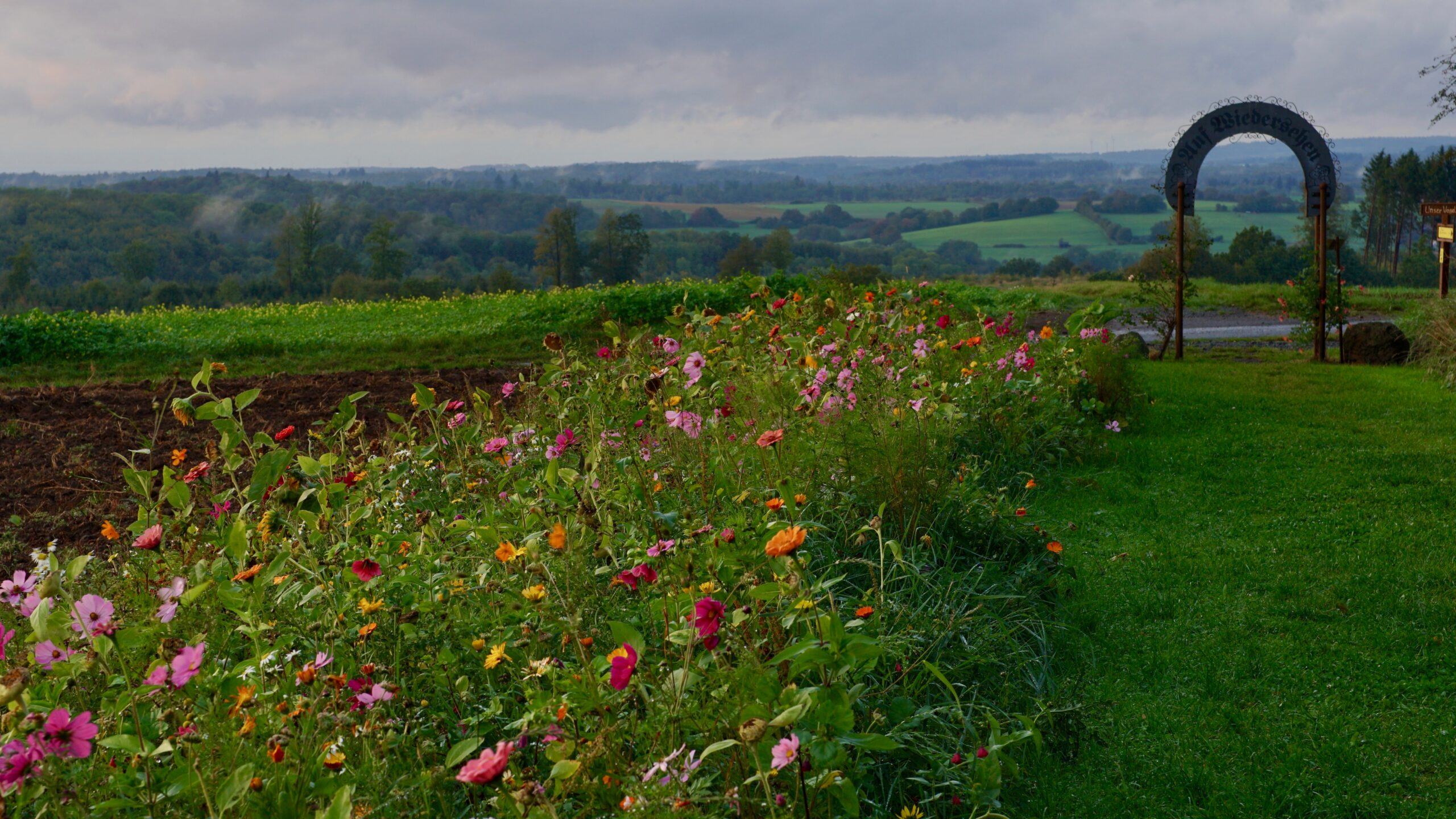
Replacing even a small portion of your lawn with wildflowers can transform your yard from an expensive, high-maintenance green carpet into a living, breathing ecosystem. It’s a little like letting nature wander back in, and you don’t even have to give up the whole lawn to make a meaningful impact. A border along a fence line, a strip closest to the street or beneath a window, or a flowing swath of wildflowers is often the easiest and most visually appealing place to start.
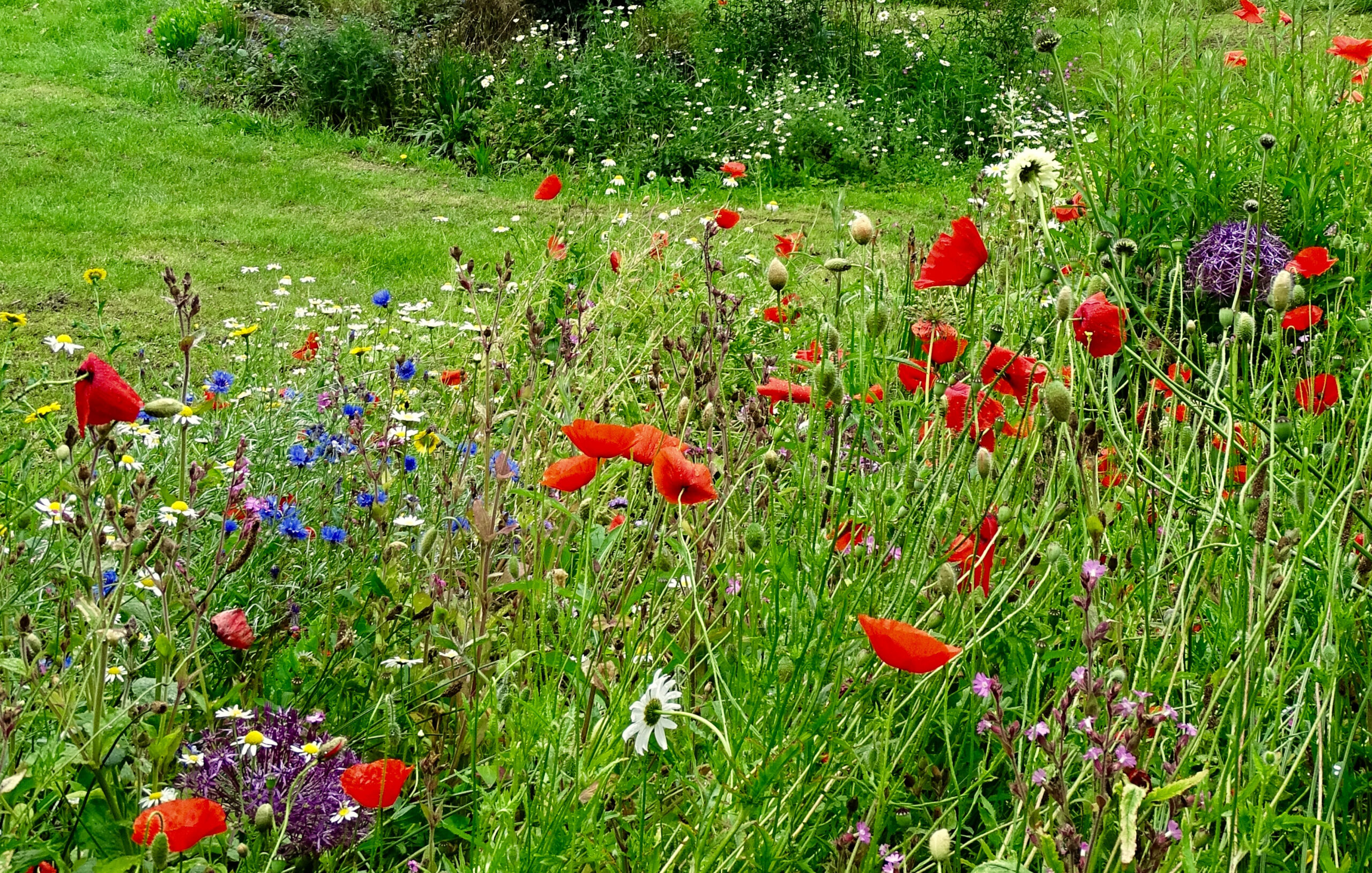
Why replace part of your lawn?
Traditional turf grass lawns are tidy, yes, and also require frequent mowing, watering, and fertilizing, offering little food or shelter for pollinators. Wildflowers, by contrast, support buzzing bees, fluttering butterflies, and cheerful birds while using fewer resources once established. By swapping out even a narrow strip of turf, you’re trading weekly mowing for seasons of color and you’ll also give yourself a front-row seat to a wilder kind of beauty. A defined border or swath keeps the look intentional, which is especially helpful if you’re gardening in a neighborhood where a tidy appearance matters.
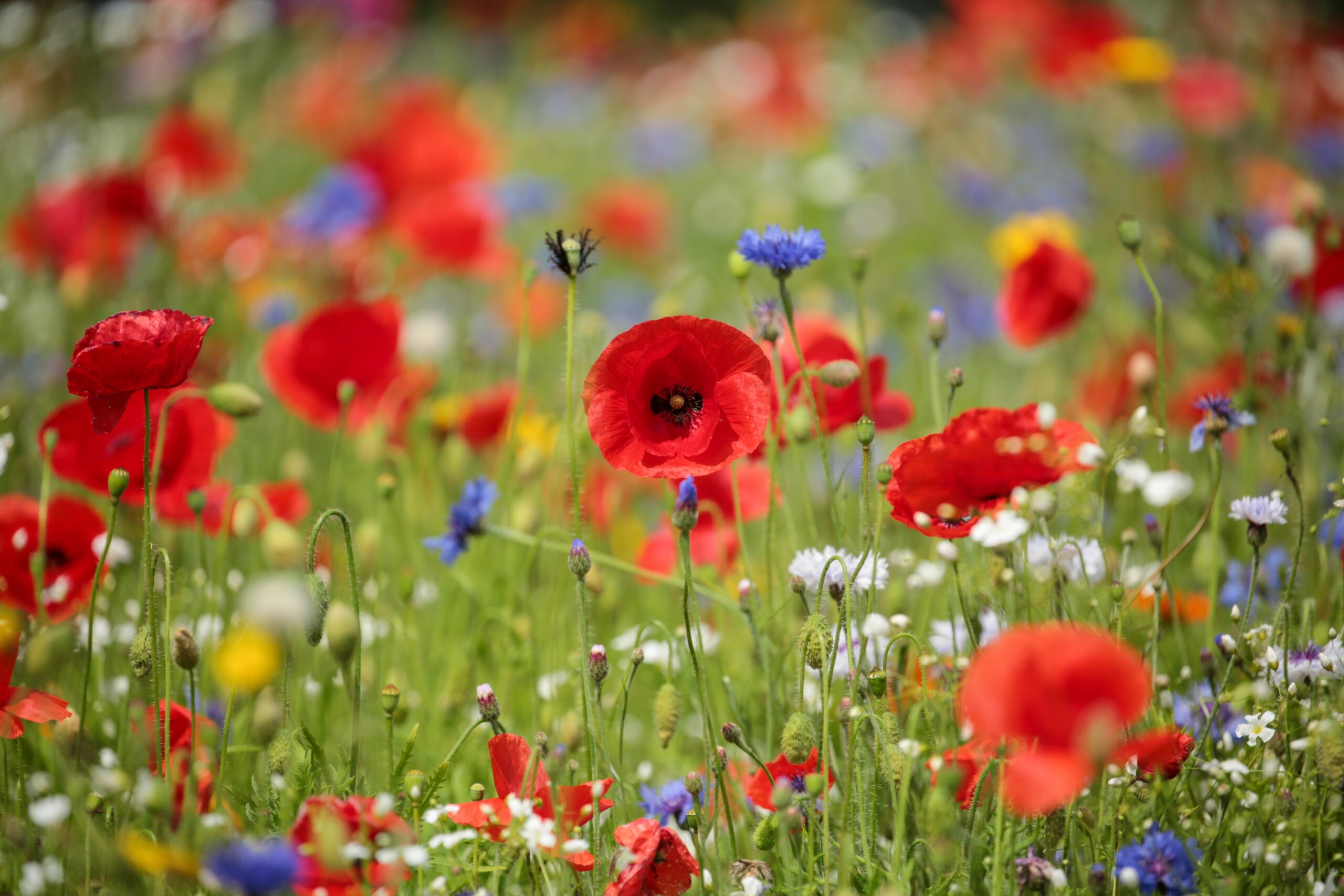
For a low-growing option beneath a window or along a curb, try our Shorty Low-Grow Wildflower Mix for a variety of color staying under two feet tall.
Great places for wildflower conversions
The easiest place to begin is along the edges. Consider planting a wildflower border along a fence, driveway, or sidewalk. These areas frame your lawn beautifully while signaling that the planting is purposeful, not neglected. Sunny, low-traffic areas are best, especially spots where grass already looks a little tired; wildflowers are happy to take over where lawns struggle.
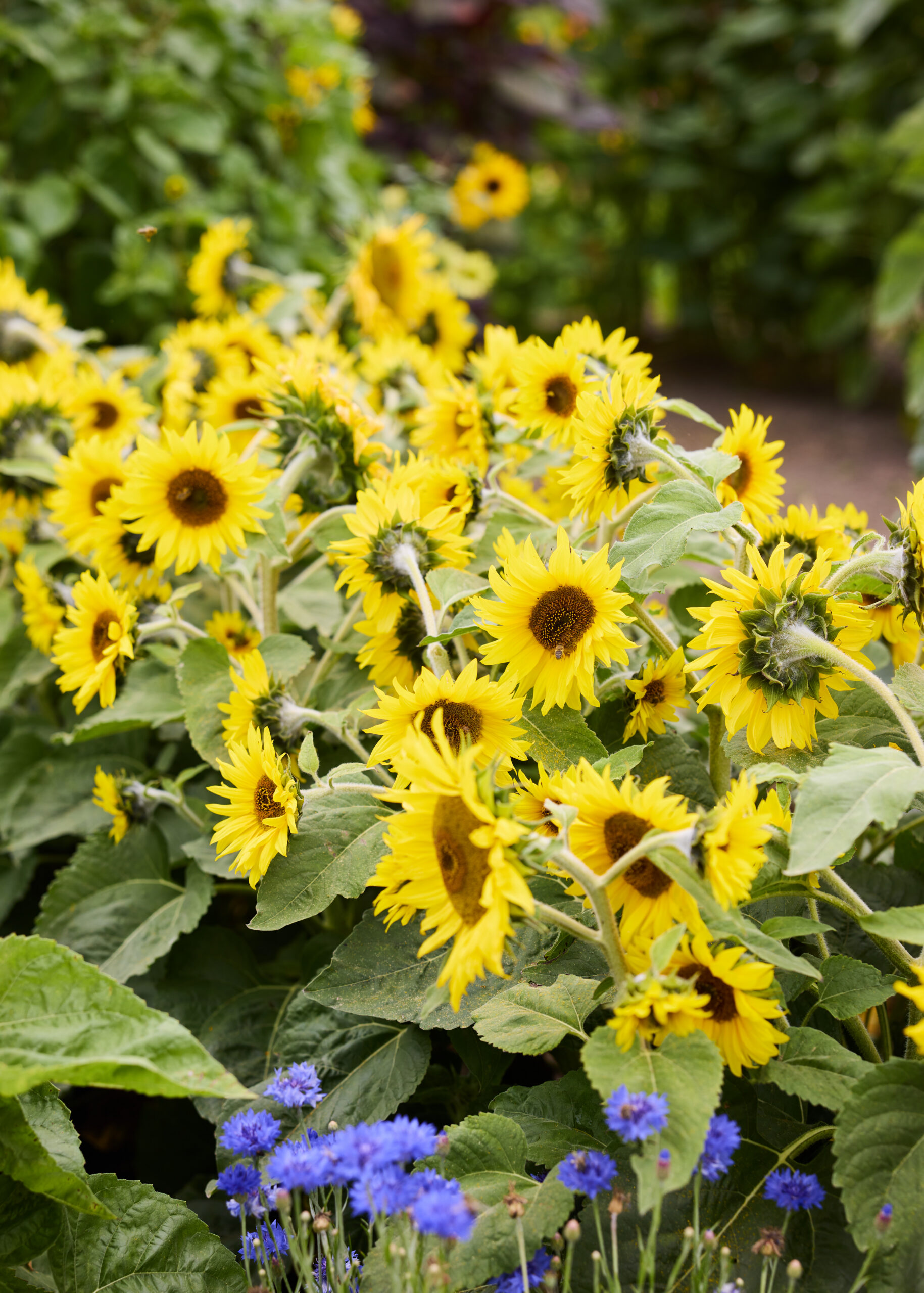
If you love sunflowers but think they’re too tall, consider incorporating Topolino, a dwarf variety, with some low-growing blue cornflower.
How to get started
Begin by removing or suppressing the existing grass. For small areas, this can be as simple as cutting the sod away or smothering it with cardboard and a thin layer of compost. Good soil contact is key for wildflower seeds, so rake the surface lightly to create a loose, crumbly top layer.
Choose a few favorite wildflowers or a wildflower mix suited to your region and sunlight conditions. If you’d like to give this a try but you still may not be committed to the idea, try our All Annual Wildflower Mix. Annuals are known for their big blooms and bright color seen within the same spring you plant them. They only last a year, so you can either plant them again the following spring, or choose to plant something different. Many gardeners love this flexibility.
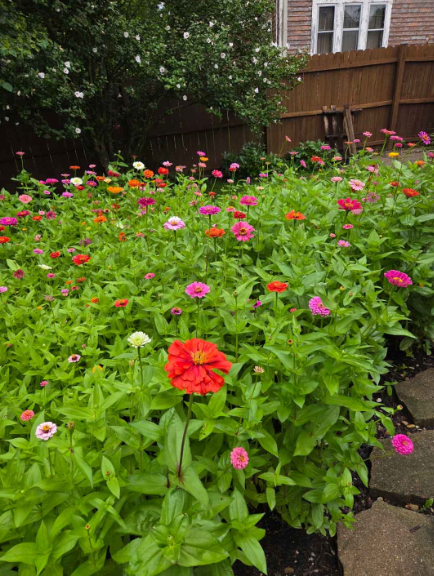
If you would like to really dive into this idea and plant something that will bloom for years, take a look at our All Perennial Wildflower Mix. A perennial-only mix will bloom year after year, but generally does not show many blooms during its first life-cycle while establishing its root system. If you’re not quite ready to put in that level of commitment, consider planting our Burst of Bloom Wildflower Mix, which is a balanced blend of annuals and perennials, giving you the best of both worlds. The annuals will bloom bright during the first year, then the perennials will take over the show during the second year and beyond.
Another idea that has become increasingly popular is to plant native wildflowers that are adapted to local weather patterns and provide the greatest benefit to local wildlife. Our North American Native Wildflower Seed Mix is a 50/50 blend of annuals and perennials. Planting native wildflower seeds gives local pollinators the exact food and habitat they’ve evolved with, helping bees, butterflies, and other beneficial insects thrive while strengthening the entire local ecosystem.
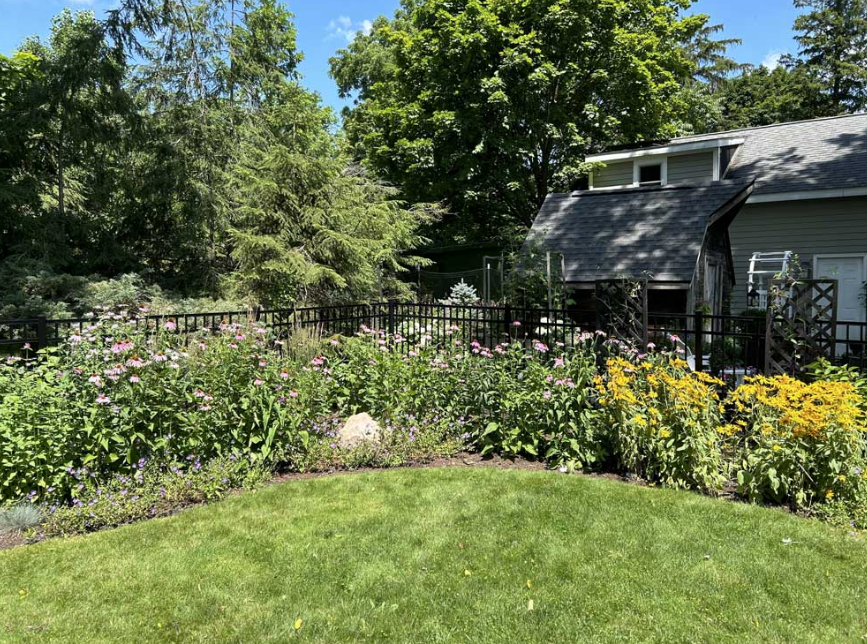
Whatever single varieties or mix you decide to sow, the process is the same. Scatter seed evenly, press it gently into the soil, and water lightly. Read here for more detailed planting information.
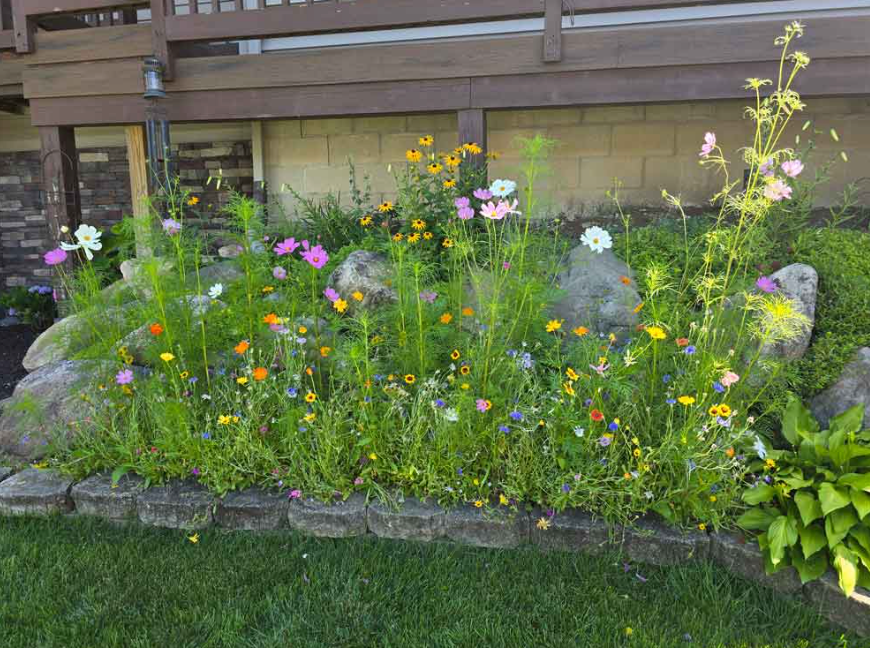
Gardener Frank says of our state mix, “Planted late April in front of our Boulder wall facing the lake and west hot sun! Flowers are absolutely beautiful- neighbors visit weekly to see the latest blooms!”
Maintenance and expectations
In the first year, a new wildflower planting might look quieter than expected, with a mix of leafy growth, early blooms, and plenty of change as the plants settle in. This is completely normal. Some wildflowers bloom quickly, while others take more time to establish, and some spend their early energy building strong roots. Consistent watering until they are established, then occasional watering during dry spells with light weeding to reduce competition are usually all that’s needed. As the seasons pass, the planting becomes fuller and more balanced, with flowers appearing at different times of year and the patch gradually taking on a natural, meadow-like rhythm.
Real Customer Photos & Reviews
Here are more of our customers’ experiences. (Some of the photos above are customer-provided also.) Hopefully these can provide some inspiration for your next garden project!
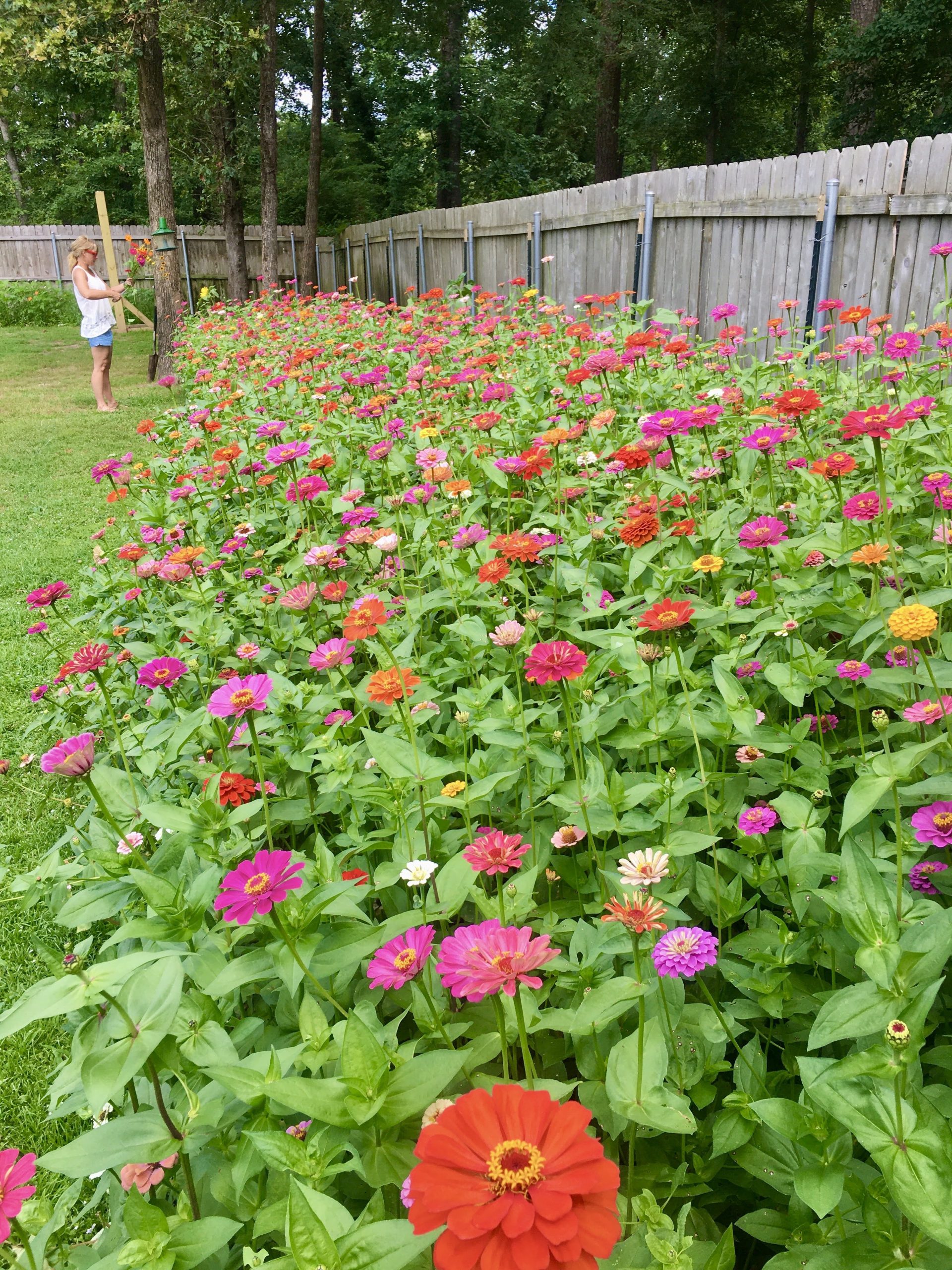
“We planted 1000 sq ft of zinnia’s from your Zin Master Seed Mix. They have turned out to be a place where my wife’s friends come over and make multiple cut bouquets over and over again. That space has become a real place of healing and conversation for many. Thank you!!” – David from Louisiana
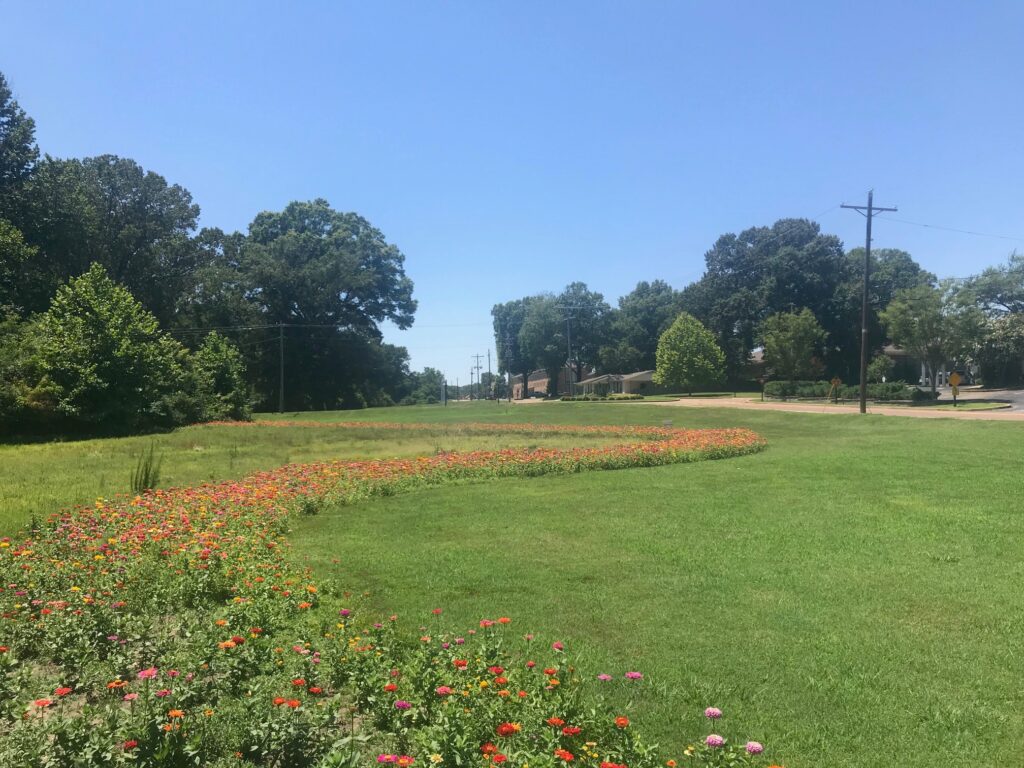
“Our campus here at Northwest Mississippi Community College is in the middle of a two year research project called the Refuge Lawn Pollinator Project. We are converting a large campus lawn space into a pollinator friendly open space and modified lawn. These are the Eden Brothers Zin Master Mix.” – Len from Mississippi
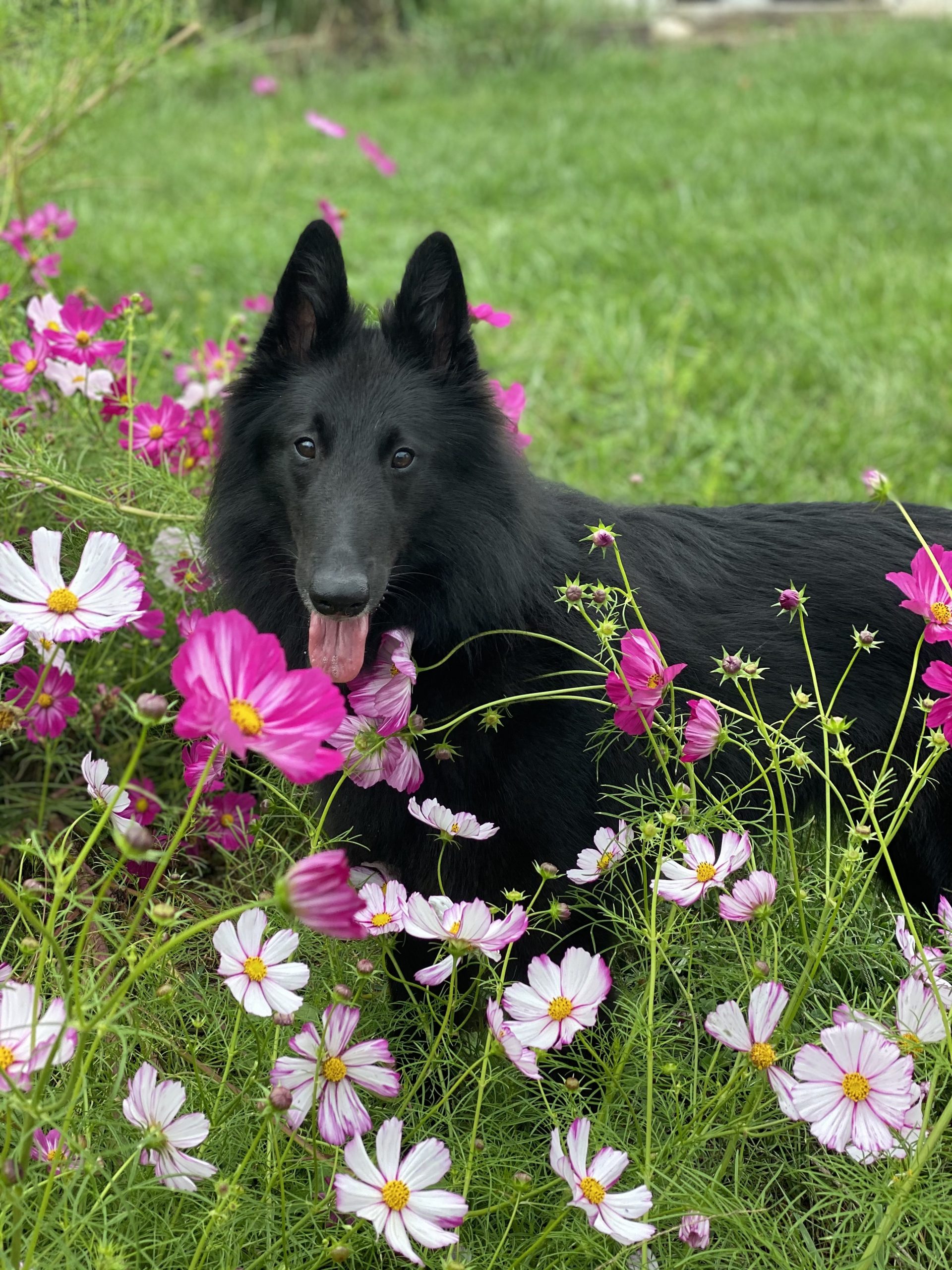
“Alice enjoying a mixed border of cosmos.” -Kelli from Virginia
Explore More
-
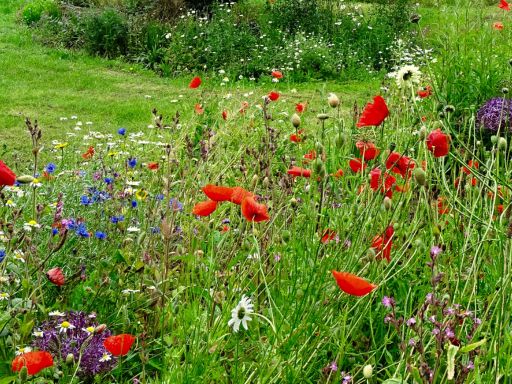
Wild Made Simple: The Easy-Add Wildflower Patch
Turn even a simple strip of lawn into a vibrant wildflower patch—an easy, low-maintenance way to add seasons of color.
-
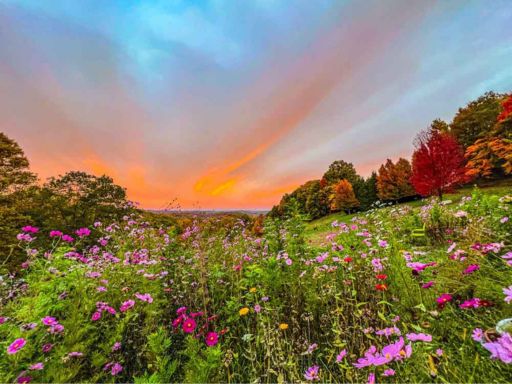
Our Most Loved Flowers of 2025
From armfuls of zinnias to towering sunflowers and pollinator-filled wildflower meadows, these are the most loved flowers of 2025.
-
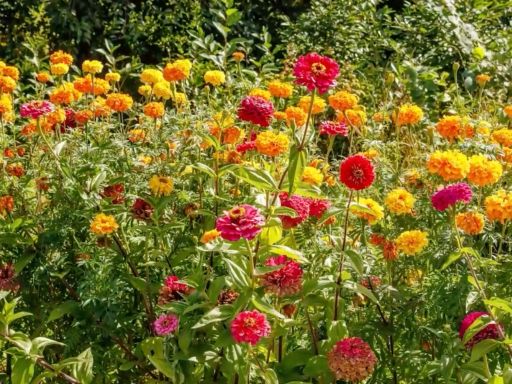
Adding Zinnias to Your Garden: Benefits & Getting Started
Whether you’re planting in beds, containers, or directly in the ground, you’ll love the numerous benefits of adding zinnias to your garden.
-
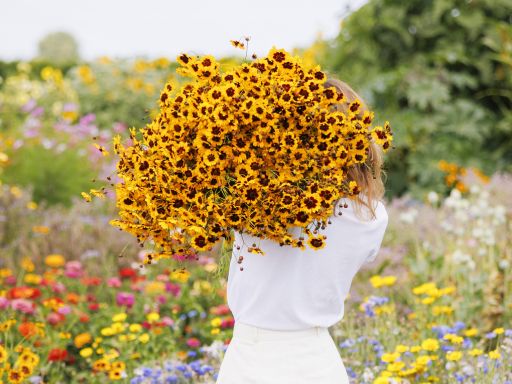
How to Plant & Grow All Perennial Wildflower Seed Mix
Learn to plant our all-time best selling product. We explain what makes perennial flowers special, the best planting spots, ideal soil conditions, and much more. Dig in!